
Just as your skincare routine evolves, so can your approach to achieving radiant skin, and that’s where chemical peels come in. If you’re considering a chemical peel for the first time, it’s important to understand how they work and what benefits they can offer your skin. This guide will provide you with valuable insights into the different types of peels, their effects, and what to expect during the process, ensuring you feel confident and informed as you commence on your journey to healthier skin.
The chemical peel is a cosmetic treatment that uses a solution to exfoliate the skin, promoting a healthier appearance. It can effectively address various skin concerns, including acne, wrinkles, and hyperpigmentation, by removing the outer layers of dead skin cells and stimulating cell renewal.
Across the beauty industry, a chemical peel is defined as a procedure that applies a chemical solution to the skin, resulting in a controlled injury that encourages the shedding of skin layers. This process reveals smoother and clearer skin, enhancing your overall complexion and texture.
There are three primary types of chemical peels that you can choose from, each varying in strength and depth:
Knowing the type that suits your skin needs the best is crucial for achieving desired results.
| Type | Depth of Exfoliation |
| Superficial Peel | Removes the outermost layer of skin |
| Medium Peel | Penetrates the outer layer and into the middle layer |
| Deep Peel | Reaches deeper layers of skin for more significant results |
| Skin Conditions Treated | Various conditions, from mild to severe |
With each type, you can expect different recovery times and results, tailored to your specific skincare goals. It’s advisable to consult a skincare professional for guidance on choosing the right peel for your needs.
Knowing your skin type will help you determine the best option for a successful outcome.
| Superficial Peel | Best for routine maintenance and brightening |
| Medium Peel | Ideal for moderate sun damage |
| Deep Peel | Suitable for severe skin imperfections |
| Effectiveness | Varies greatly by depth |
| Consultation | Highly recommended before choosing |
Some of the key benefits of chemical peels include improved skin texture, enhanced tone, and reduced signs of aging. They can help target various skin concerns, from fine lines to uneven pigmentation. If you want to explore the many advantages, check out Chemical Peels 101: Everything You Need to Know.
Above all, skin rejuvenation is a significant benefit of chemical peels. By applying a chemical solution, you encourage the exfoliation of dead skin cells, revealing a fresh, vibrant layer beneath. This process enhances your skin’s overall radiance and reduces the appearance of fine lines.
Acne treatments using chemical peels can effectively minimize breakouts and fade scarring. These treatments help to unclog pores and reduce inflammation, leading to clearer skin.
Even if you have active acne or scarring, chemical peels can be beneficial. The exfoliating properties of the peel help to remove impurities and excess oil, while also promoting cell turnover. As a result, your skin may not only clear up, but any residual marks may fade over time, providing a more even skin tone and texture.
Many individuals seeking to refresh their skin and address various concerns might benefit from a chemical peel. If you struggle with uneven skin tone, acne scars, fine lines, or sun damage, this treatment can offer noticeable improvements. However, it’s crucial to identify if a chemical peel aligns with your skin type and condition for optimal results.
Beside general skin concerns, various skin types can benefit from chemical peels, including:
Recognizing your specific skin type helps tailor the peel selection to achieve the best outcomes for your unique needs.
Among the factors to consider, certain conditions and skin types may not be suitable for chemical peels. For instance, those with active skin infections, severe acne, or sensitive skin should proceed with caution.
Due to potential adverse reactions, you should avoid chemical peels if you have a history of keloid scarring, autoimmune disorders, or if you are currently taking specific medications such as isotretinoin. Consulting with a skincare professional before proceeding ensures you choose the right treatment plan for your skin’s health and safety.
Not all chemical peels are the same, so it’s vital to do your research before your first treatment. Begin by familiarizing yourself with the type of peel you’re considering and its expected results. For detailed guidance, check out Chemical Peels 101: Why They’re More Than Just a Peel. Scheduling consultations with professionals can also help tailor the peel to your skin needs.
Among the most important steps in preparing for your first chemical peel is consulting with a qualified skincare professional. They will assess your skin type, discuss your goals, and recommend the most suitable peel for you, ensuring a personalized approach that addresses your specific concerns.
Preparing your skin with a proper pre-peel skincare routine can significantly enhance the effectiveness of your chemical peel. Begin this routine at least a week before your appointment by using gentle cleansers, hydrating moisturizers, and, if recommended, specific products that can help condition your skin.
Peel preparation involves avoiding sun exposure and harsh ingredients, like retinoids and exfoliants, which can sensitize your skin. Instead, focus on soothing, hydrating products that will help fortify your skin barrier. This preparation will not only set the stage for optimal results but also help your skin recover more effectively post-peel.
All chemical peels vary in intensity and results, but generally, you can expect the process to be straightforward. Prior to the peel, your skin will be cleansed and a protective barrier may be applied to sensitive areas. The chemical solution, tailored to your skin type, is then evenly applied. As the solution works, you may notice a change in the sensation on your skin, which is normal.
With each step being precise, your skincare professional will start by cleansing your skin to remove any impurities. Following this, they will apply a chemical solution using a brush or applicator. The length of time the solution stays on varies based on your specific treatment plan and desired results, after which it is neutralized or removed, and a soothing treatment may be applied to calm your skin.
An important aspect of your experience is the sensation you may feel during the procedure. Some individuals report mild stinging, tingling, or a warm sensation as the solution works on the skin. This is typically short-lived, and your skincare professional will monitor your comfort throughout the process.
Procedure sensations can vary widely depending on your skin type and the strength of the peel. While some might feel a slight itching or prickling sensation, others may experience more significant discomfort. If you find the sensations too intense, it’s important to communicate with your skincare provider, who can adjust the treatment accordingly or offer relief methods to ensure your comfort during the procedure.
Your skin’s recovery is just as important as the peel itself. Following your chemical peel, it’s crucial to keep your skin moisturized and protected from sun exposure to aid healing. For a comprehensive overview on at-home options, check out The Beginner’s Guide to At-Home Chemical Peels.
On the days following your peel, hydrate your skin with a gentle moisturizer and apply a broad-spectrum sunscreen daily. Avoid harsh products, such as exfoliants or retinoids, until your skin fully heals. Be vigilant about keeping your skin clean and refrain from picking at any peeling skin to prevent scarring.
Side effects from chemical peels can vary based on the depth of the treatment but typically include redness, swelling, and peeling skin. These effects are common and usually subside within a few days to a week, depending on your skin type and the strength of the peel.
Also, some individuals may experience itching or mild discomfort during the recovery period. It’s important to avoid direct sun exposure and refrain from using irritating skincare products while your skin heals. If you notice any persistent or severe reactions, consult a dermatologist for guidance on appropriate next steps for your skin’s recovery.
From above, you have gained valuable insights into the world of chemical peels and how they can benefit your skin. Understanding the different types of peels and their specific purposes will help you make informed decisions tailored to your needs. As you prepare for your first chemical peel, consider consulting with a skincare professional to ensure the best outcomes for your skin type. With the right preparation and care, you can achieve a rejuvenated and radiant complexion through this transformative treatment.
A: A chemical peel is a cosmetic treatment that involves the application of a chemical solution to the skin to exfoliate its outer layers. This solution causes the skin to blister and eventually peel off, revealing new, rejuvenated skin underneath. Chemical peels can vary in strength and depth—from superficial peels that target the outermost layer of skin to deep peels that affect the inner layers. Each type of peel can address different skin concerns, such as fine lines, wrinkles, acne scars, and uneven skin tone.
A: During the procedure, you may feel a tingling or burning sensation as the chemical solution is applied, which typically lasts a few minutes. After the treatment, it’s normal for your skin to be red or irritated, similar to a sunburn. Depending on the strength of the peel, you may experience peeling or flaking skin in the following days. It is imperative to follow post-care instructions from your skincare professional, which may include avoiding direct sunlight, keeping the skin moisturized, and refraining from harsh products until your skin has fully healed.
A: Chemical peels can be beneficial for a variety of skin types and concerns, including acne-prone skin, aging skin, or sun-damaged skin. However, individuals with certain conditions, such as active skin infections, eczema, or rosacea, may not be suitable candidates. It’s best to consult with a qualified dermatologist or skincare professional to determine your suitability for a chemical peel and to discuss your specific skin goals and any potential risks or side effects.
At Bare Elegance Aesthetics, we offer a comprehensive suite of advanced skincare and aesthetic treatments designed to rejuvenate and enhance your natural beauty. Our services include Chemical Peels, which exfoliate and revitalize the skin for a smoother, more radiant complexion. We provide Dermal Fillers to restore volume and reduce the appearance of fine lines and wrinkles. Our Botox treatments help relax facial muscles, diminishing dynamic wrinkles for a youthful look. For skin rejuvenation, we offer Micro-Needling Treatment, which stimulates collagen production to improve skin texture and tone. Enhancing this, our PRP Micro-Needling Treatment utilizes platelet-rich plasma to accelerate healing and boost results. We also provide RF Micro-Needling, combining radiofrequency energy with microneedling for deeper skin tightening and rejuvenation. Our HiFu Anti-Aging service offers non-invasive skin lifting and tightening using high-intensity focused ultrasound technology. Each treatment is tailored to meet your individual needs, ensuring optimal results and a personalized experience. Discover more about our commitment to excellence and personalized care on our About Us page.
From subtle enhancements to transformative therapies, our service menu is crafted with innovation and intention. Explore our most in-demand offerings:
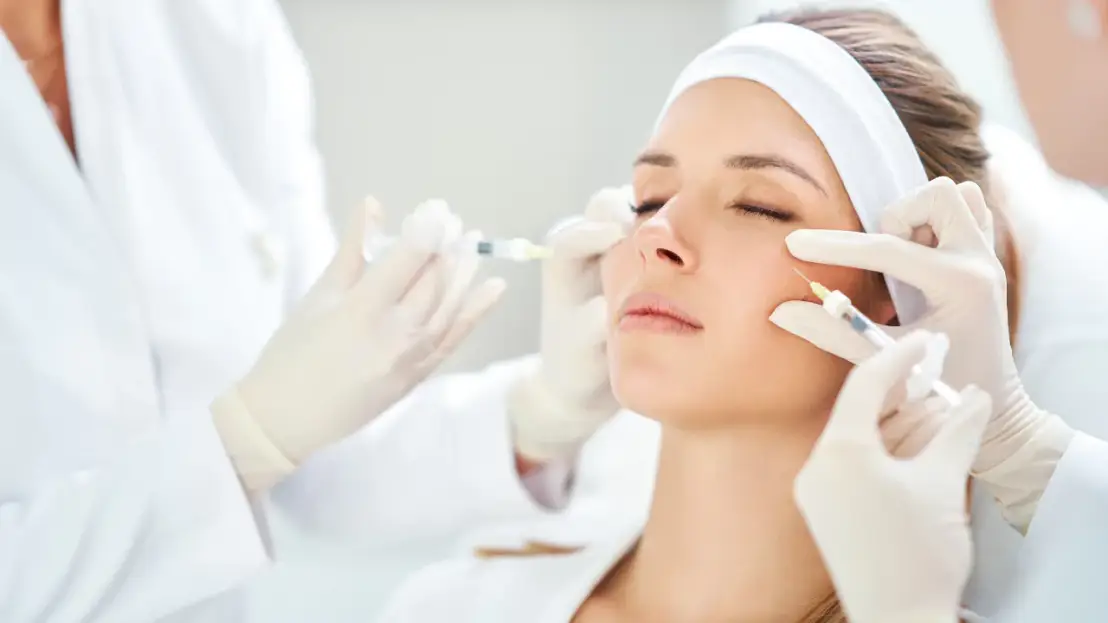
Softens dynamic wrinkles and prevents future lines with expertly placed neuromodulators.

We’re proud to offer one of the most powerful, collagen-boosting treatments in regenerative aesthetics.
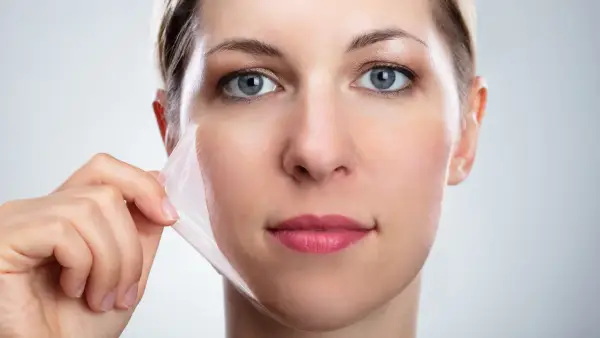
Gentle to deep exfoliation treatments that reveal luminous skin while reducing acne, hyperpigmentation, and fine lines.
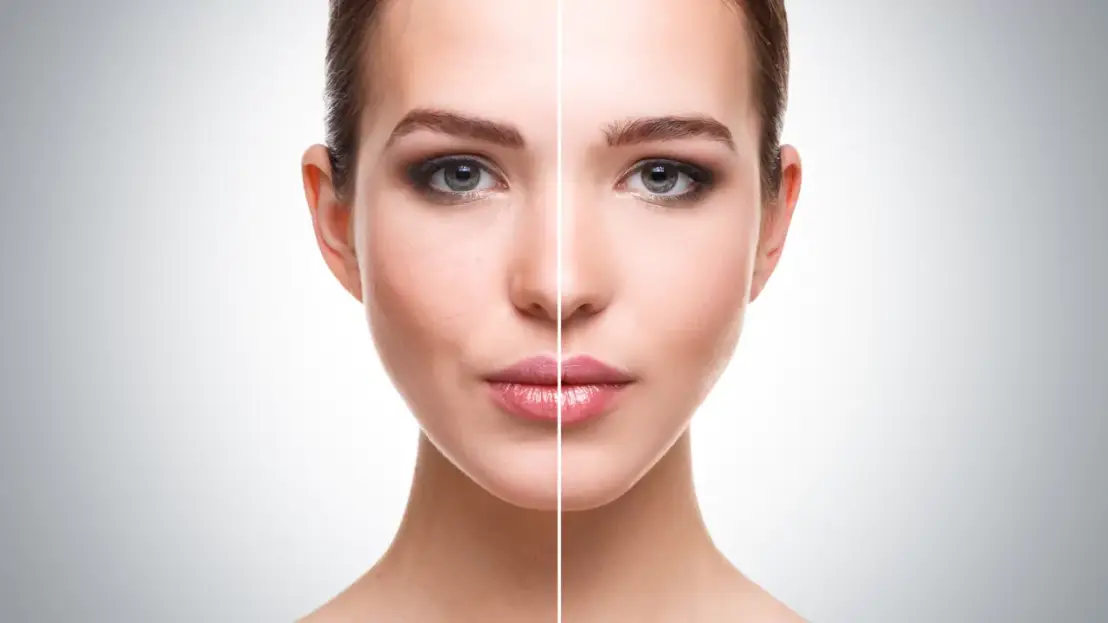
Enhance lips, cheeks, jawlines, and under-eyes with natural-looking volume restoration.
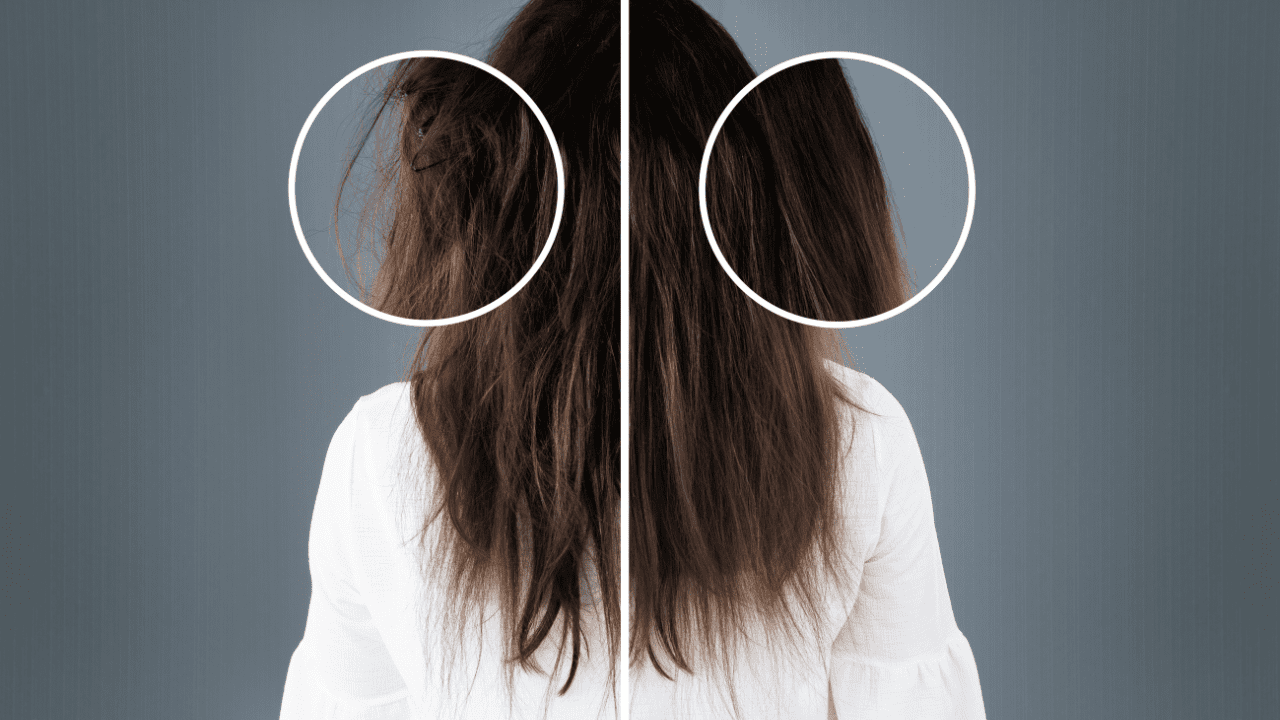
We believe true beauty isn’t just skin deep—it’s restored confidence through healthy, natural hair.
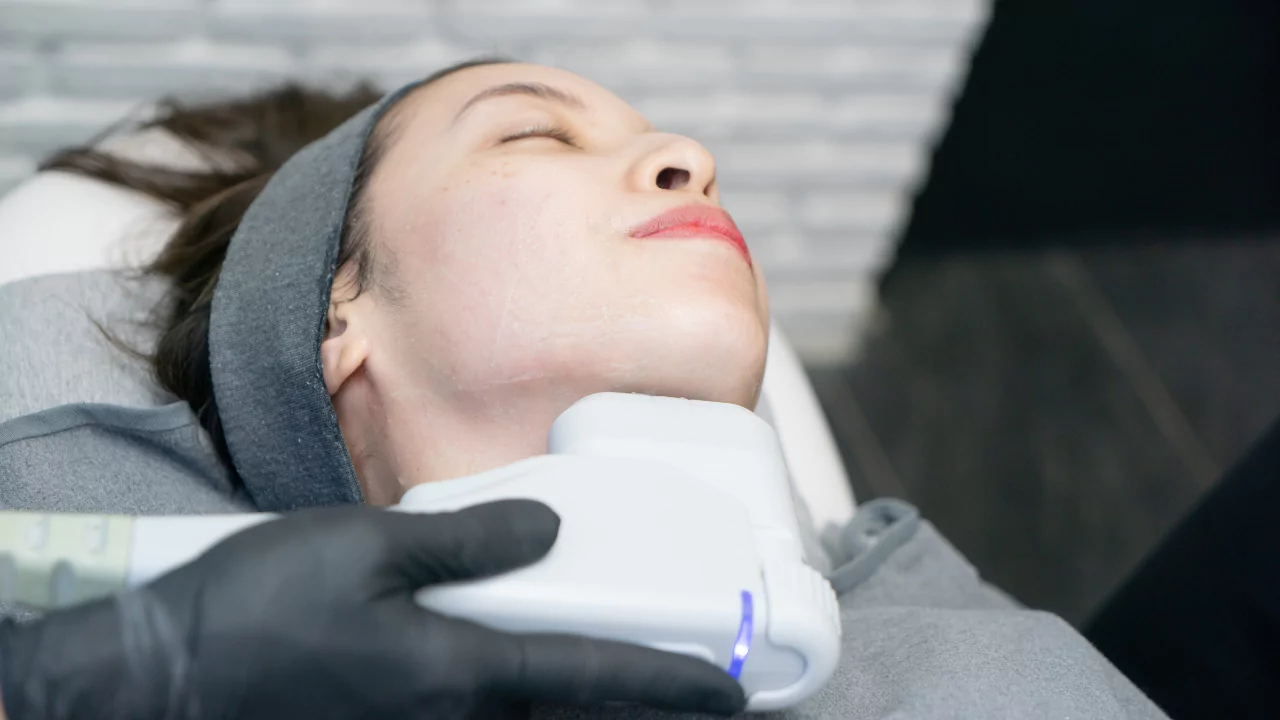
A non-surgical facelift alternative that lifts and tightens with high-intensity focused ultrasound.

Powerful way to nourish your body, combat fatigue, strengthen immunity, and elevate your skin’s natural radiance from the inside out.

Energizes from within—enhancing clarity, repair, energy, and vitality. More than hydration, it’s cellular optimization.
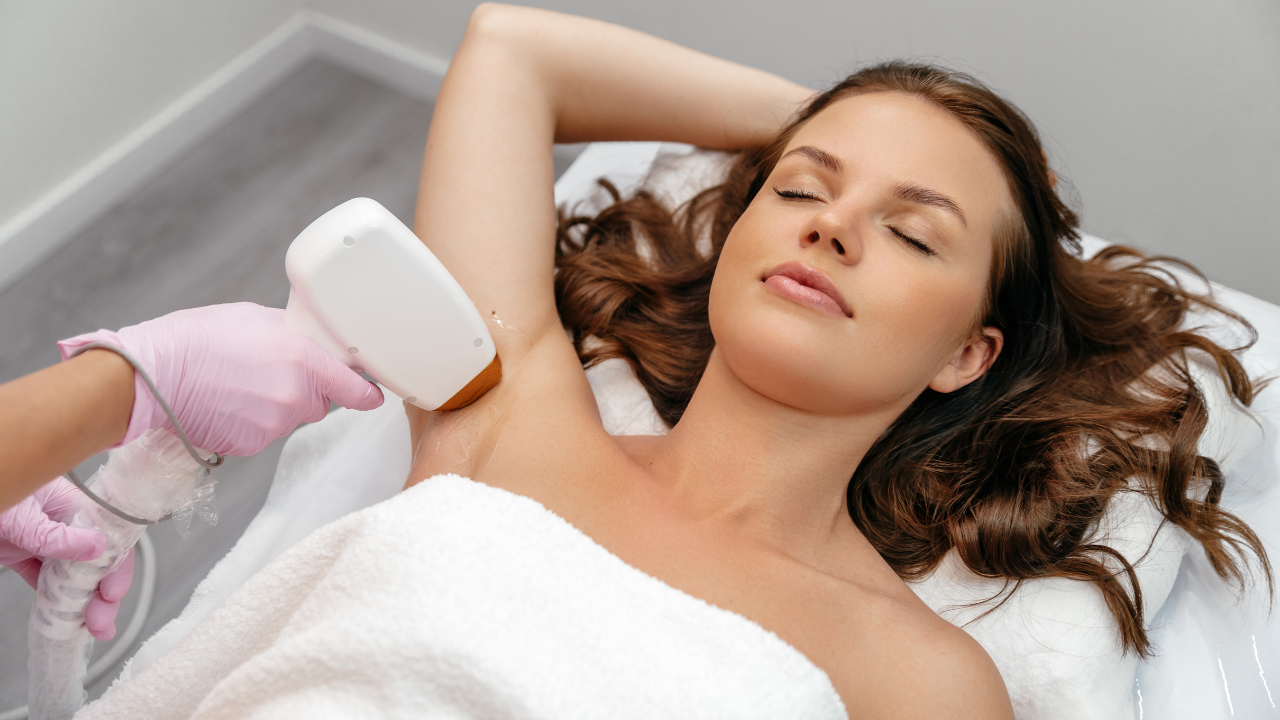
Safe, long-lasting hair reduction for smooth skin—available for all skin types.
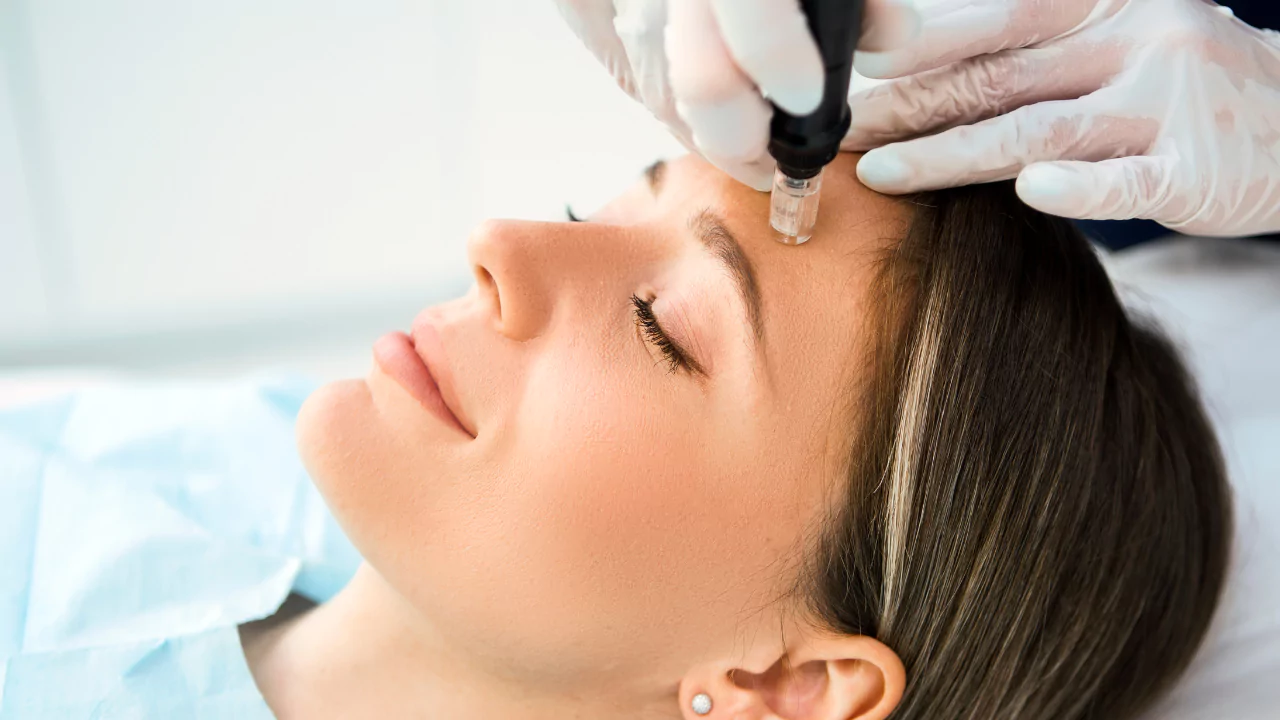
Stimulate collagen production and improve skin texture with minimal downtime.
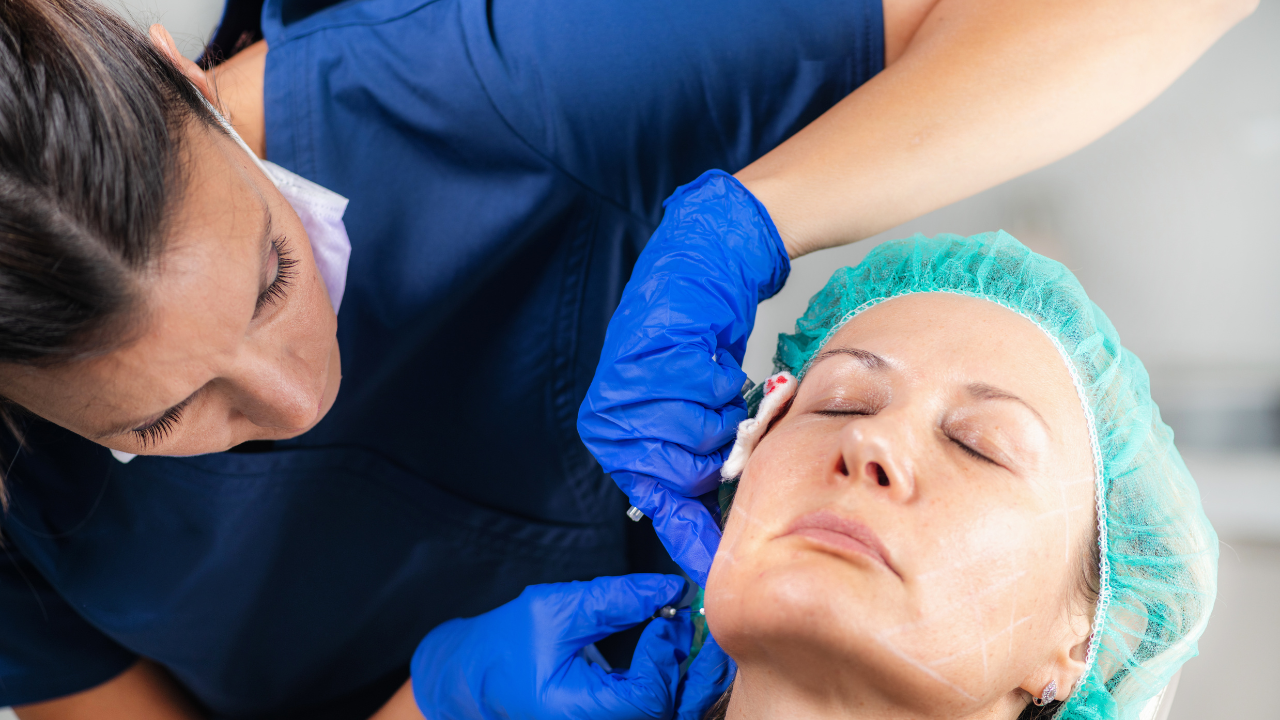
Lift and sculpt without surgery using absorbable sutures that stimulate collagen.
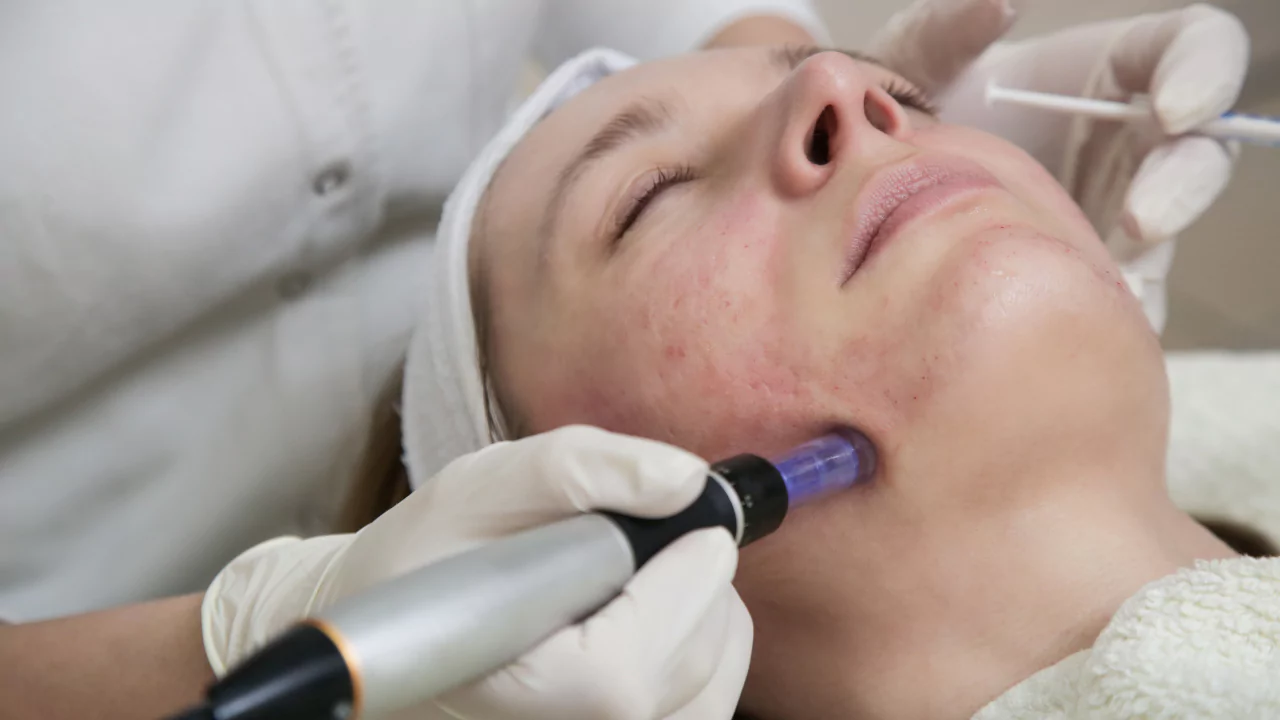
Supercharge collagen synthesis using your body’s own platelet-rich plasma for rapid rejuvenation.
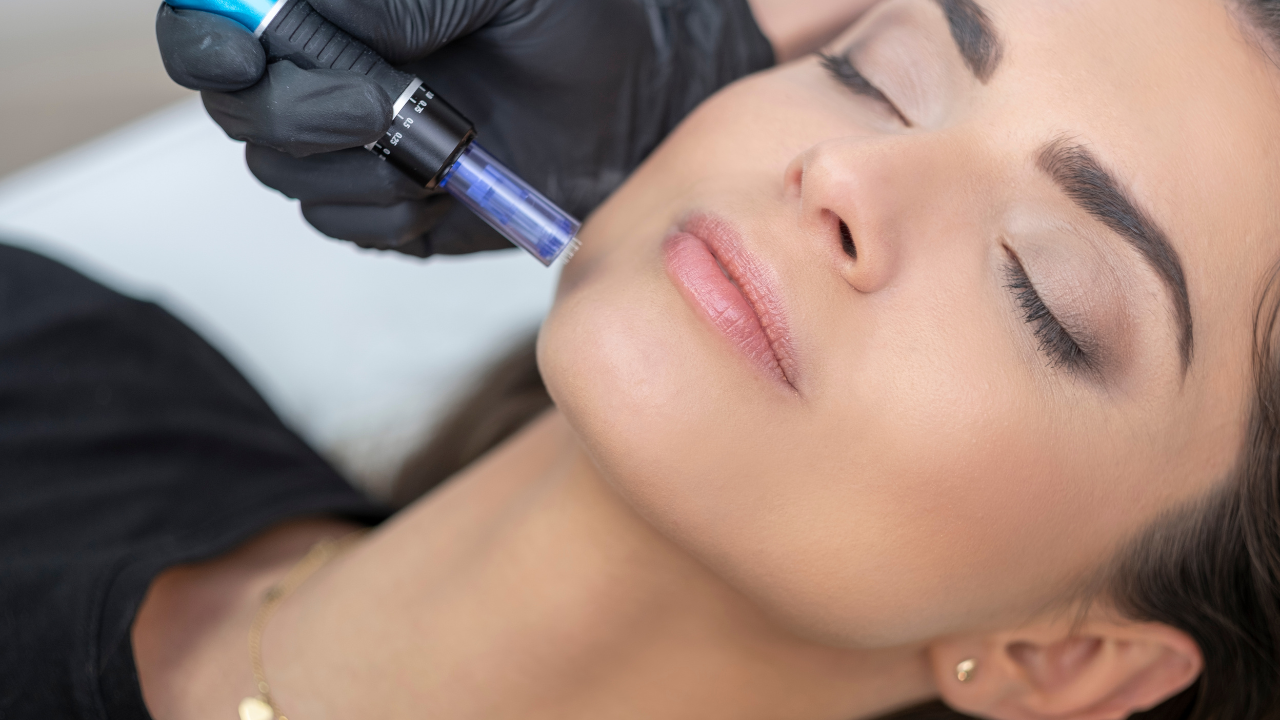
This powerful treatment combines two proven skin-renewing technologies: microneedling and radiofrequency energy
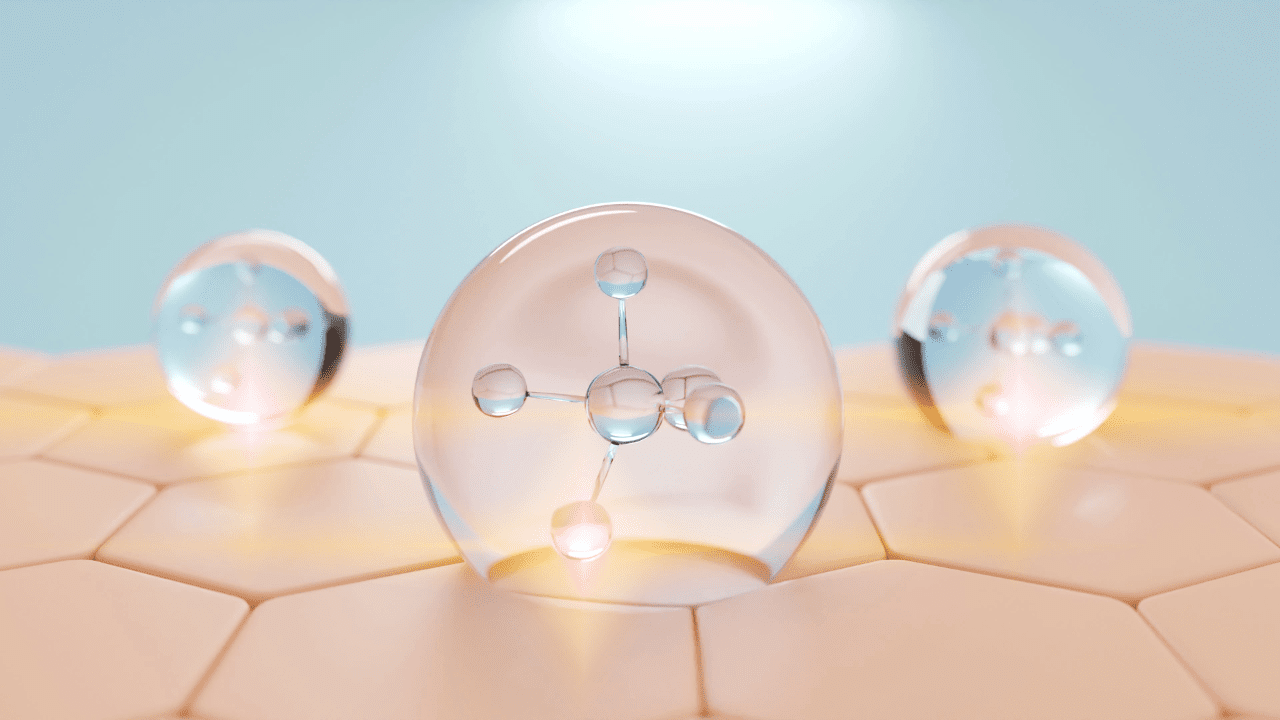
Deeply hydrate and nourish skin with injectable hyaluronic acid for a dewy, healthy glow.
We believe true beauty isn’t just about structure—it’s about skin that glows from within.