
Many people are curious about biostimulators and their role in enhancing your health and beauty regimen. These innovative substances are designed to stimulate your skin’s natural processes, promoting cellular regeneration and improving tissue quality. In this post, you’ll learn how biostimulators work, the different types available, and how they can be integrated into your cosmetic treatments—for a rejuvenated appearance and enhanced well-being. Let’s examine the science and benefits of biostimulators so you can make informed decisions about your skincare options.
Before stepping into their uses, it’s imperative to understand biostimulators. These are natural or synthetic substances designed to enhance plant growth by promoting beneficial microbial activity in the soil or within the plants themselves. They play a vital role in sustainable agriculture and horticulture, helping improve crop yield and resilience.
About biostimulators, they can be classified based on their origin and function. Here’s a breakdown:
| Type | Description |
| Microbial | Include beneficial bacteria and fungi that improve soil health. |
| Humic Substances | Organic materials that stimulate plant growth and nutrient uptake. |
| Seaweed Extracts | Natural extracts that promote root development and stress tolerance. |
| Biopolymers | Promote soil aggregates and improve water retention. |
Recognizing the various types helps you choose the appropriate biostimulator for your specific agricultural needs.
One of the primary applications of biostimulators is in agriculture, where they enhance plant growth, yield, and nutrient uptake. Additionally, they are used in horticulture to improve the quality and shelf-life of fruits and vegetables. Their applications extend to turf management, where they are employed to maintain healthy lawns and sports fields, as well as in landscape gardening for promoting vibrant plant growth.
Types of biostimulators you may come across include microbial agents, humic substances, seaweed extracts, and biopolymers, each serving specific purposes tailored to your agricultural or gardening needs. Utilizing the right biostimulator can lead to healthier plants and improved resistance to environmental stressors, ultimately benefiting your overall gardening or farming experience.
There’s a growing interest in how biostimulators function in enhancing tissue regeneration and overall skin health. These injectable treatments, as detailed in this BIOSTIMULATOR INJECTIONS: Complete 2023 Guide, stimulate your body’s natural processes, promoting collagen and elastin production while improving cellular turnover for a more youthful appearance.
Around the treatment area, biostimulators enhance blood circulation and promote the production of new tissues. This increased activity not only rejuvenates your skin but also improves the overall texture and tone, leading to a healthier and more vibrant appearance.
With biostimulators, specific interactions at the molecular level trigger your body’s regenerative capabilities. These formulations often include compounds that mimic natural cellular processes, encouraging collagen synthesis and enhancing skin hydration.
Consequently, the intricate molecular interactions initiated by biostimulators encourage a cascade of biological responses. When injected, these components bind to receptor sites on your skin cells, stimulating them to activate repair mechanisms and promote the production of crucial proteins. This not only helps restore lost volume and elasticity but also optimizes your skin’s structure from within, allowing for long-lasting results.
To enhance your understanding, biostimulators offer numerous advantages, including improved plant growth, increased yield, and enhanced resistance to stress factors. They promote healthier crops and can help reduce the need for chemical fertilizers. For more details, you can explore What are Biostimulators and How do They Work?.
Before implementing biostimulators in your farming practices, it’s crucial to understand their role in promoting soil health and plant vitality. They can enhance nutrient availability and improve the overall resilience of crops against environmental stress.
On the health front, biostimulators can play a vital role in enhancing food quality and nutritional value. They help in growing healthier crops, which can lead to better food choices and overall wellness for consumers.
Health benefits of biostimulators extend beyond just crops. They contribute to sustainable agricultural practices by minimizing chemical inputs and reducing agricultural runoff, ultimately leading to healthier ecosystems. By fostering a natural growth environment, you not only enhance the nutritional profiles of the plants but also support the well-being of those who consume these beneficial foods.
Despite the growing popularity of biostimulators, it’s vital to understand how they stack up against other products in the market. For a clearer comparison, take a look at the table below:
| Product Type | Key Differences |
|---|---|
| Biostimulants | Enhance plant growth and resilience using natural processes. |
| Fertilizers | Supply vital nutrients to plants but do not stimulate natural processes. |
| Chemical Treatments | Target specific pests or diseases but may harm beneficial organisms. |
Before using any products, it’s important to understand that while fertilizers provide vital nutrients, biostimulants focus on enhancing your plants’ natural growth processes. These products work synergistically to improve nutrient uptake and stress tolerance, making them a valuable addition to your gardening routine.
On the other hand, chemical treatments often target specific pests or diseases but can disrupt the delicate balance of beneficial organisms in your garden. In contrast, biostimulants enhance soil health and plant resilience, promoting a more sustainable approach to cultivation.
Biostimulants improve your plants’ overall health by stimulating beneficial microbial activity in the soil. This natural enhancement of soil fertility allows your plants to better absorb nutrients and fend off stressors, making them more resilient over time. By choosing biostimulants, you opt for a holistic approach that supports the entire ecosystem in your garden or farm.
For more insights, check out What are Biostimulators and How Do They Work?.
Now that you understand the basics of biostimulators, it is important to explore their regulatory status. These products vary significantly by region, and different countries have distinct guidelines governing their use. As such, it is vital for you to familiarize yourself with local regulations concerning biostimulants, ensuring that you are compliant and informed about any restrictions or approvals required for their use in your applications.
One key aspect of biostimulators is the approval processes they undergo before reaching the market. Regulatory agencies typically require extensive data on efficacy, safety, and environmental impact, which you should consider if you’re involved in the development or application of these products. Understanding these approval processes helps you to navigate the potential challenges and timelines associated with bringing biostimulants to use.
Below the surface of efficacy, safety considerations play a critical role in the use of biostimulators. You must be aware of potential risks or side effects associated with their application. Regulations often mandate that these products undergo thorough safety evaluations, but it is still important for you to assess their impacts on crops, soil health, and the broader ecosystem.
Status of safety evaluations varies greatly among different biostimulants, with many undergoing rigorous testing before they are approved for market use. You should actively seek out studies and reports on the safety profiles of biostimulators, particularly if they are new to the market or lack sufficient research. Additionally, staying updated on regulatory changes can aid you in making informed decisions regarding the use and application of these products in your agricultural practices.
Not only are biostimulators poised to enhance agricultural efficiency, but they also support sustainability in food production. As your understanding of these products deepens, you’ll recognize their potential to reduce chemical inputs, improve soil health, and address climate change challenges. Innovative solutions are on the horizon, which could revolutionize how you approach crop management and nutrient solutions.
Against the backdrop of increasing demand for sustainable agriculture, research into biostimulators is rapidly evolving. You can expect ongoing studies to provide deeper insights into their mechanisms of action, fostering the development of targeted products that could optimize your farming practices even further.
The expanding interest in biostimulators reflects a significant shift toward sustainable farming practices. You may find that this growing market trend is driven by the need to lessen reliance on synthetic chemicals while enhancing crop resilience and quality.
It is also important to note that as consumer preferences shift toward organic and sustainably sourced products, biostimulators are becoming increasingly attractive to manufacturers. This means that you might see a variety of innovative biostimulator offerings tailored to different crops, soils, and environments, which could help meet your specific agricultural needs while supporting environmental goals.
With these considerations, you can better understand what biostimulators are and how they work to enhance plant growth and health. These innovative substances promote natural biological processes, improving nutrient uptake and resilience to stress. By integrating biostimulators into your agricultural practices, you can potentially boost crop yields and optimize resource use, which aligns with sustainable farming principles. As you explore these solutions, you’ll likely discover the benefits they offer to your plants and the environment.
A: Biostimulators are natural or synthetic substances that enhance the biological processes within plants or organisms. They work by stimulating natural processes, improving growth, resilience, and overall health. Common types of biostimulators include natural extracts, soil microbes, and other biologically active compounds that can influence plant development and productivity.
A: In agriculture, biostimulators enhance the plant’s ability to absorb nutrients, improve water retention, and increase resistance to stress factors such as drought or disease. They do this by promoting beneficial microbial activity in the soil, facilitating better nutrient uptake, and stimulating plant growth hormones. This can lead to improved yields and healthier crops without the need for excessive chemical fertilizers or pesticides.
A: Yes, there are various types of biostimulators tailored for specific applications. These include microbial-based biostimulators, which enhance soil microflora; humic and fulvic acids, which improve nutrient availability; and seaweed extracts, known for promoting plant growth and stress resistance. Each type serves a different purpose, and their effectiveness can depend on the specific crop and environmental conditions.
At Bare Elegance Aesthetics, we offer a comprehensive suite of advanced skincare and aesthetic treatments designed to rejuvenate and enhance your natural beauty. Our services include Chemical Peels, which exfoliate and revitalize the skin for a smoother, more radiant complexion. We provide Dermal Fillers to restore volume and reduce the appearance of fine lines and wrinkles. Our Botox treatments help relax facial muscles, diminishing dynamic wrinkles for a youthful look. For skin rejuvenation, we offer Micro-Needling Treatment, which stimulates collagen production to improve skin texture and tone. Enhancing this, our PRP Micro-Needling Treatment utilizes platelet-rich plasma to accelerate healing and boost results. We also provide RF Micro-Needling, combining radiofrequency energy with microneedling for deeper skin tightening and rejuvenation. Our HiFu Anti-Aging service offers non-invasive skin lifting and tightening using high-intensity focused ultrasound technology. Each treatment is tailored to meet your individual needs, ensuring optimal results and a personalized experience. Discover more about our commitment to excellence and personalized care on our About Us page.
From subtle enhancements to transformative therapies, our service menu is crafted with innovation and intention. Explore our most in-demand offerings:
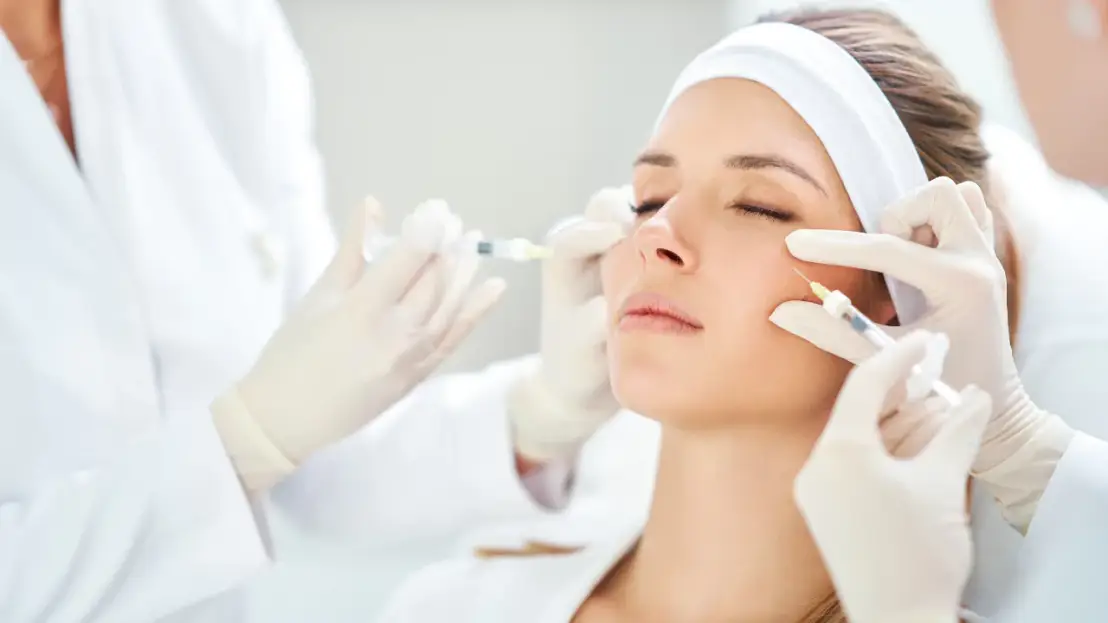
Softens dynamic wrinkles and prevents future lines with expertly placed neuromodulators.

We’re proud to offer one of the most powerful, collagen-boosting treatments in regenerative aesthetics.

Gentle to deep exfoliation treatments that reveal luminous skin while reducing acne, hyperpigmentation, and fine lines.
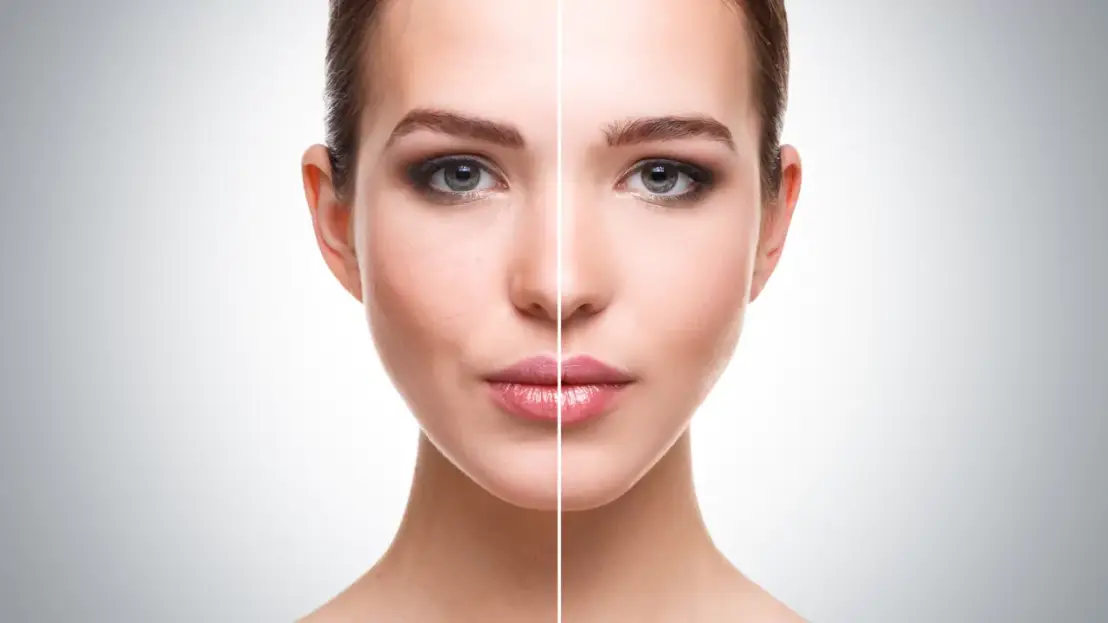
Enhance lips, cheeks, jawlines, and under-eyes with natural-looking volume restoration.

We believe true beauty isn’t just skin deep—it’s restored confidence through healthy, natural hair.

A non-surgical facelift alternative that lifts and tightens with high-intensity focused ultrasound.

Powerful way to nourish your body, combat fatigue, strengthen immunity, and elevate your skin’s natural radiance from the inside out.

Energizes from within—enhancing clarity, repair, energy, and vitality. More than hydration, it’s cellular optimization.

Safe, long-lasting hair reduction for smooth skin—available for all skin types.
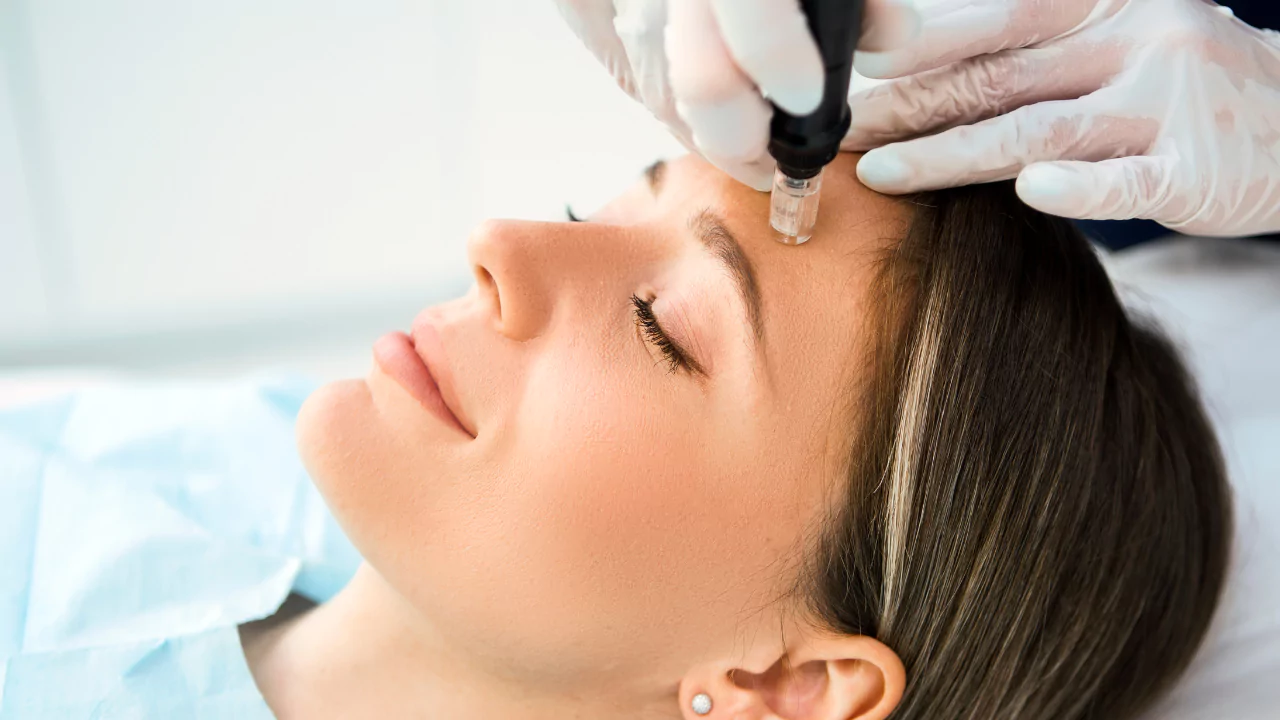
Stimulate collagen production and improve skin texture with minimal downtime.
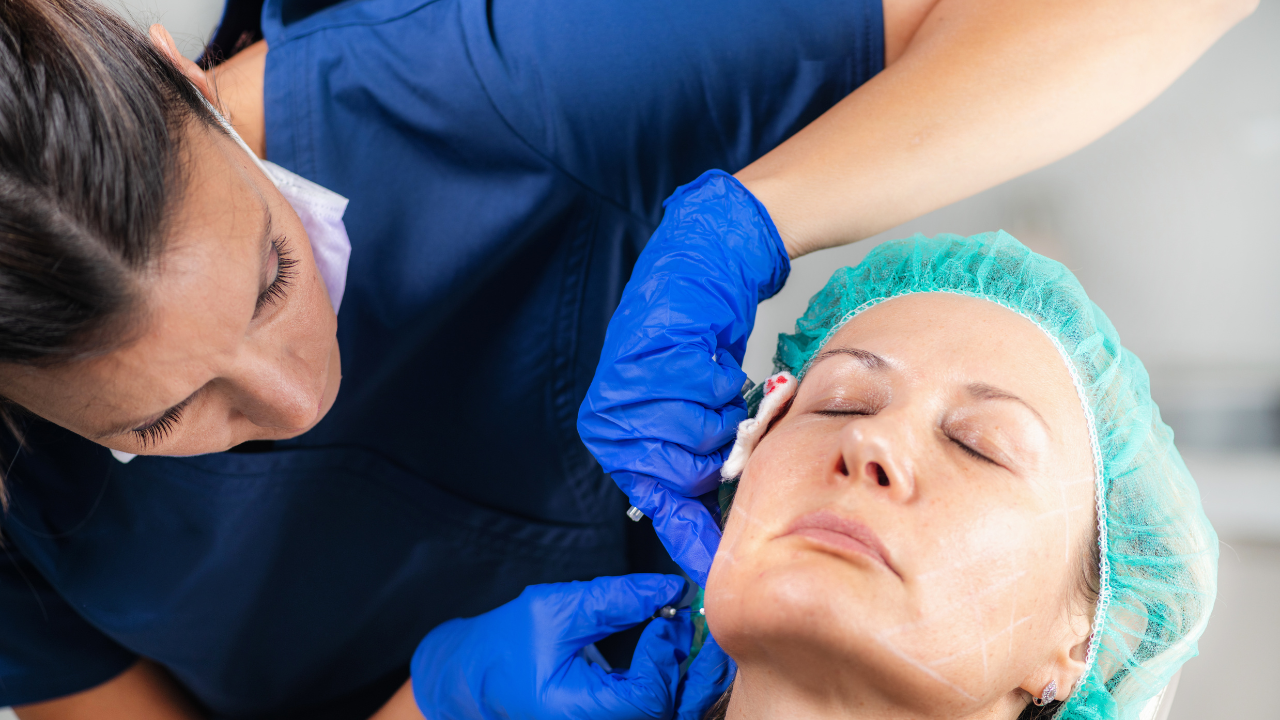
Lift and sculpt without surgery using absorbable sutures that stimulate collagen.
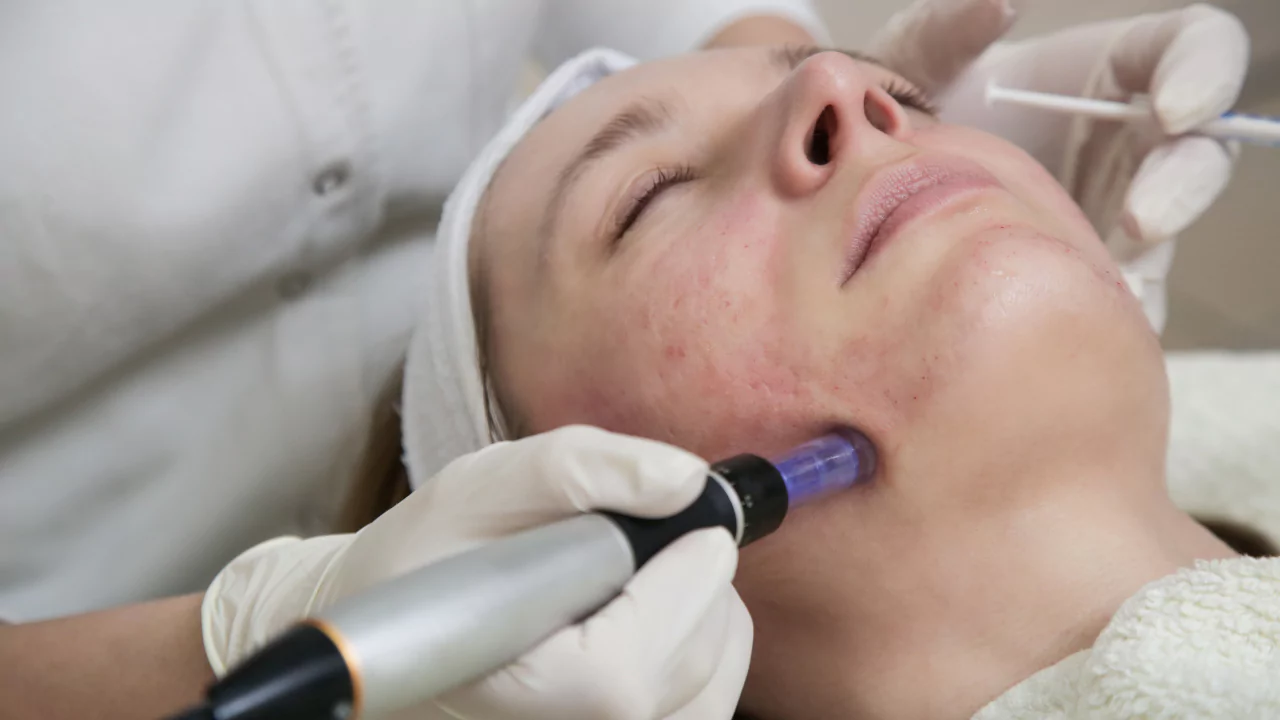
Supercharge collagen synthesis using your body’s own platelet-rich plasma for rapid rejuvenation.
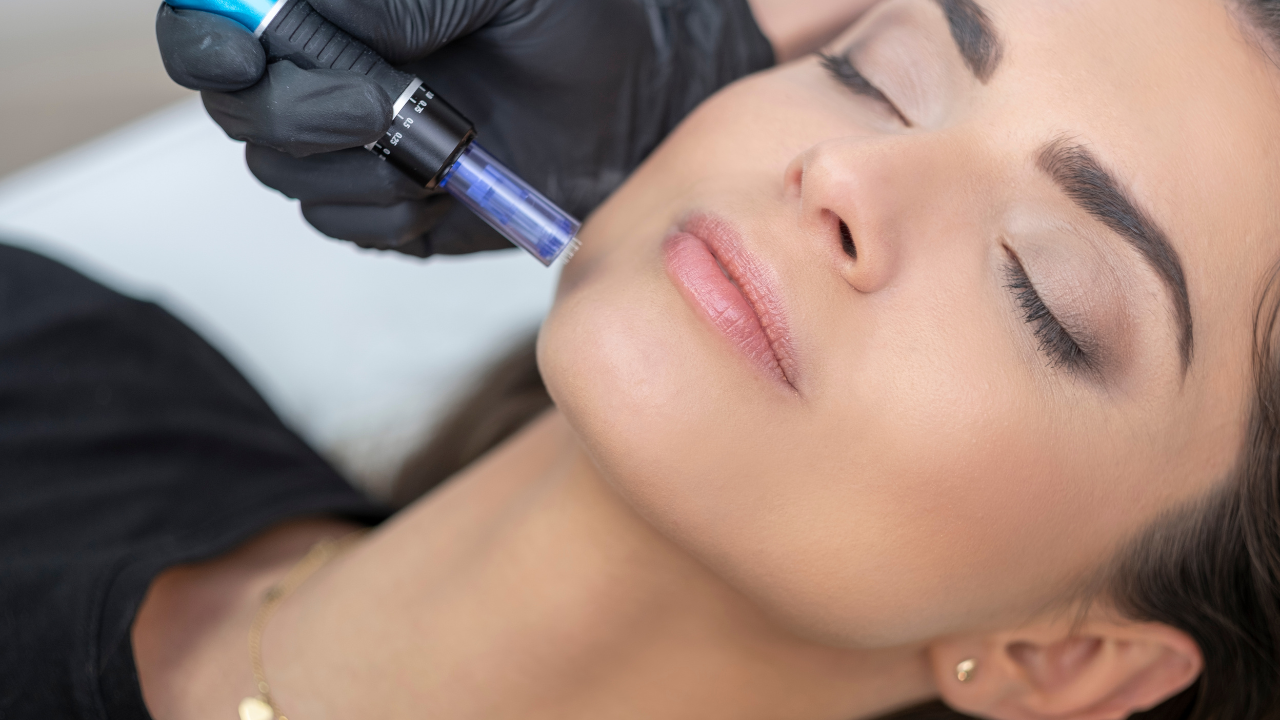
This powerful treatment combines two proven skin-renewing technologies: microneedling and radiofrequency energy
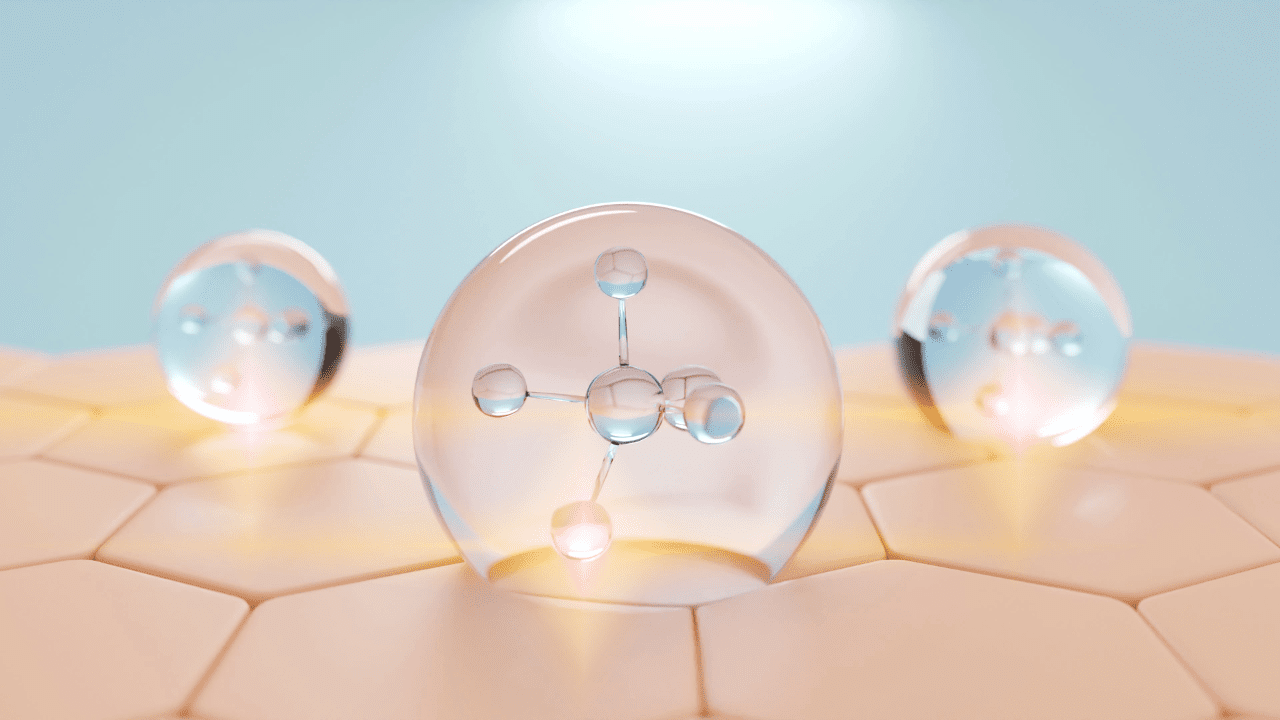
Deeply hydrate and nourish skin with injectable hyaluronic acid for a dewy, healthy glow.
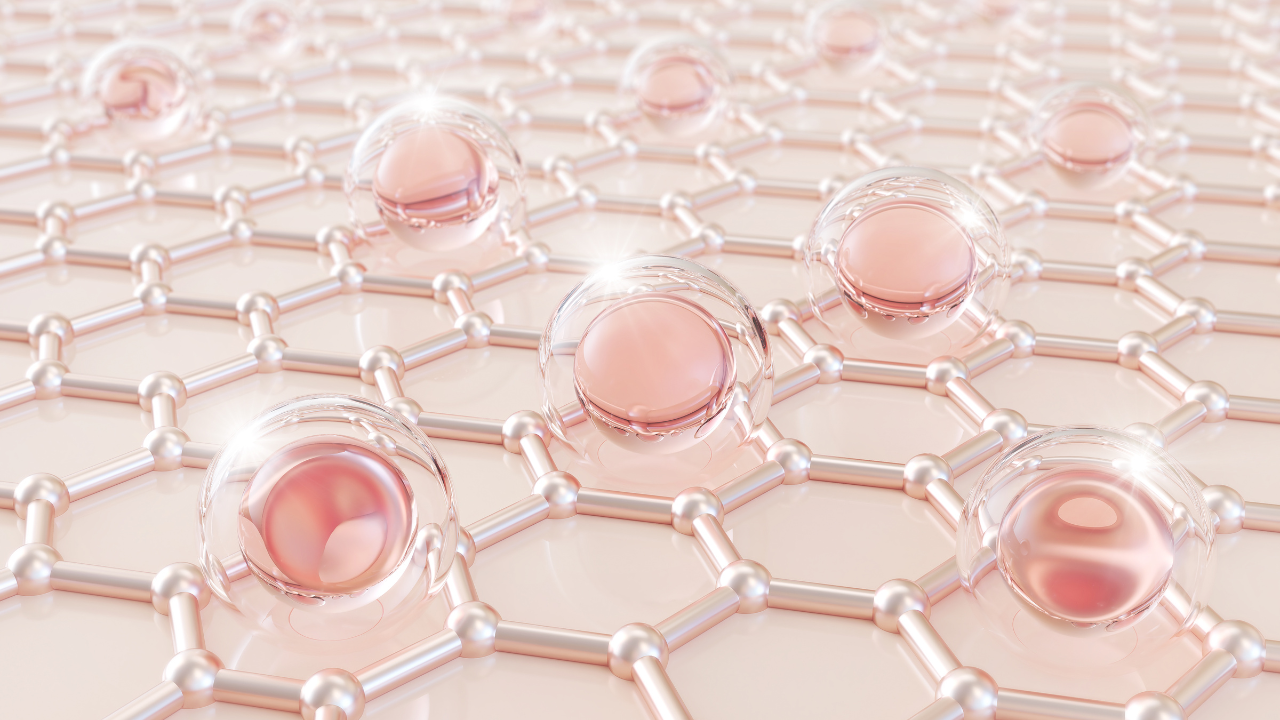
We believe true beauty isn’t just about structure—it’s about skin that glows from within.