
It’s crucial to understand filler migration if you’re considering dermal fillers for enhancing your facial features. This phenomenon occurs when injected filler moves from the original treatment area, potentially leading to undesirable results. In this blog post, you’ll learn about the causes of filler migration and the steps you can take to prevent it, ensuring that your cosmetic enhancements are both safe and effective. From choosing the right injector to understanding aftercare, you’ll be equipped with the knowledge needed to achieve your aesthetic goals confidently.
The understanding of filler migration is crucial for anyone considering cosmetic injectables. Filler migration occurs when the injected substance shifts from the intended area to surrounding tissues, leading to an unnatural appearance and potential complications. Becoming familiar with this phenomenon can help you make informed decisions about your treatments and choose qualified practitioners.
Migration refers to the unintended movement of dermal filler from its injection site to other areas of the face or body. This can occur shortly after the procedure or develop over time, resulting in asymmetry or less desirable outcomes. Awareness of migration ensures you seek preventive measures and the right techniques during treatments.
For filler migration to happen, various factors come into play, including the type of filler used, the injection technique, and individual anatomical differences. Poor injection technique or using low-quality products can lead to unfavorable results.
Also, other contributing factors include excessive facial movements, such as frowning or laughing, which may increase the likelihood of migration. Additionally, certain lifestyle habits, like smoking or inadequate post-treatment care, can impact how the filler settles in your tissues. Understanding these causes empowers you to take proactive steps in maintaining your desired results.
Any cosmetic procedure involving fillers can lead to migration, and certain areas of your face are more susceptible. It’s important to be aware of these common regions to make informed decisions about your filler treatments. For more insight, check out Understanding Lip Filler Migration – Cosmetic Connection. Knowledge about where migration might occur helps you better manage and respond to any changes.
Behind the lips and nasolabial folds, areas such as the cheeks, under-eyes, and jawline are particularly prone to filler migration. These regions often experience movement and tension, making them more likely sites for fillers to shift from their original placement. Being mindful of these areas can aid in discussing your concerns with your practitioner.
Below are some common signs to watch for regarding filler migration: unusual swelling, asymmetry, or lumps in the treated area. While some minor swelling can be expected post-treatment, persistent changes may indicate migration. Early detection is key to addressing any issues.
Even small shifts can lead to noticeable changes in your appearance, so keeping an eye out for any irregularities is important. You might notice unexpected fullness or a change in the contours of your face. If you experience any of these symptoms, consult your practitioner promptly to discuss potential corrective measures.
To minimize the risk of filler migration, it’s crucial to adopt preventive techniques. Choosing a qualified practitioner, understanding the procedure, and following post-care instructions can significantly reduce your chances of complications. For more information on How To Prevent And Manage Filler Migration, consider doing thorough research and consultation before your treatment.
Around 70% of the success of your filler treatment depends on the practitioner you choose. Opt for a board-certified and experienced injector who understands facial anatomy and has a proven track record in aesthetic procedures. This ensures that the product is placed correctly and minimizes any risk of migration.
Choosing the right post-procedure care routine is vital to ensuring your fillers remain where intended. Following your practitioner’s aftercare guidelines can help maintain the desired results and prevent migration. This typically includes avoiding strenuous exercise, excessive sun exposure, and certain facial treatments for a specified period.
Care for your skin post-procedure by keeping it clean and moisturized. Avoid touching the treated area, as this can introduce bacteria and pressure that may contribute to unwanted migration. You should also steer clear of facials or any invasive treatments until your practitioner clears you for them. Following these care instructions diligently will help you achieve the best results.
Despite the potential for filler migration, several treatment options are available to address this issue effectively. Depending on the severity of the migration and your individual situation, options may range from non-invasive techniques to more intensive procedures. It’s crucial to consult with a qualified practitioner to determine the best course of action tailored to your needs.
An effective method to combat filler migration is through the use of hyaluronidase, an enzyme that helps dissolve hyaluronic acid-based fillers. This approach can swiftly restore your facial contours by breaking down the unwanted filler. Consult your healthcare provider to discuss the potential benefits and risks associated with this option.
Fillers that have migrated may sometimes require a more invasive solution, such as surgical intervention. This option is typically considered when non-invasive methods do not achieve the desired outcome or when significant complications arise. Depending on the location and extent of the migration, surgical techniques can help reposition or remove the misplaced filler to restore your natural aesthetics.
Migration can lead to unevenness and discomfort, which may make surgical corrections necessary for optimal results. The type of surgery needed will depend on the specific circumstances of your filler migration. Procedures can include incision and drainage, or more tailored surgeries to restore facial symmetry and balance. Consulting with a board-certified plastic surgeon can provide you with personalized solutions based on your unique situation.
Once again, the world of cosmetic fillers is riddled with myths and misconceptions that can lead to confusion and misinformation. Many individuals unknowingly accept these myths as facts, which can affect their decisions regarding filler treatments. It’s imperative to distinguish between what is true and what is not to ensure you have the best possible experience and outcomes.
After hearing about filler migration, you might believe that all fillers inevitably migrate or that the phenomenon happens immediately after the procedure. However, these notions are oversimplified and often exaggerated. Understanding the facts can alleviate your concerns and help you make informed decisions about your treatment.
To clear up confusion regarding filler migration, it’s important to recognize that not all fillers are the same and they behave differently based on their composition and injection technique. Migration is rare and usually occurs due to factors such as improper technique or an individual’s unique anatomy.
Considering the intricacies of facial dynamics, various fillers are designed to stay in place, and skilled practitioners can minimize the risk of migration through precise techniques. Additionally, the notion that you will experience migration if you touch your face or engage in certain activities is misleading. Instead, practicing good aftercare and choosing a qualified injector can significantly reduce any risks and lead to satisfying results.
Many professionals emphasize that understanding filler migration is vital for achieving the best cosmetic results. To stay informed and proactive, you can explore resources such as How to Prevent Dermal Filler Migration. Your journey towards successful filler treatment begins with knowledge and expert advice.
Around the industry, dermatologists stress the importance of selecting a qualified practitioner and following aftercare instructions closely. They agree that proper technique during injection can significantly reduce the risk of filler migration, ensuring that you achieve natural-looking results.
Along your filler journey, adopting best practices can significantly enhance your experience. Engage in open discussions with your provider about your goals and any concerns you may have, and always prioritize an aesthetician or dermatologist who is experienced and reputable.
Expert insights suggest that you should also refrain from massaging the treated area or engaging in intense physical activities for at least 24 hours post-treatment. This allows the filler to settle properly, minimizing the chances of migration. Staying well-hydrated and maintaining a consistent skincare routine can further support your results. Your commitment to these practices can elevate your cosmetic experience, leading to optimal results.
To wrap up, understanding filler migration is vital for achieving the desired aesthetic results without complications. You should always consult a qualified practitioner and ensure they use high-quality products for your treatments. Maintaining proper aftercare and avoiding excessive movement of the treated area can also help prevent migration. By staying informed and making conscious decisions about your cosmetic procedures, you can enjoy your results while minimizing potential risks.
A: Filler migration refers to the unintended movement of dermal fillers from the area where they were originally injected to adjacent tissues. This can happen due to various reasons, including improper injection technique, the type of filler used, or even natural anatomical factors. When fillers are placed in areas with high mobility, such as around the mouth or eyes, they may shift over time. Additionally, factors like excessive pressure or manipulation of the treated area can also contribute to migration.
A: Signs of filler migration can vary depending on the amount and location of the migration. Common indicators include asymmetry, lumps or irregularities in the skin, or a change in the appearance of the treated area that does not match the intended results. For instance, if lip fillers appear to have moved towards the corners of the mouth, this may suggest migration. In some cases, patients might also notice unintended swelling or a change in texture of the skin.
A: To reduce the risk of filler migration, it is imperative to choose an experienced and qualified injector who understands facial anatomy and proper injection techniques. Additionally, patients should follow post-treatment care instructions, which may include avoiding pressure on the treated area, limiting strenuous activity, and steering clear of facials or massages in the early recovery phase. Consulting with a healthcare provider for personalized advice based on individual anatomy can also help in minimizing the risk of migration.
At Bare Elegance Aesthetics, we offer a comprehensive suite of advanced skincare and aesthetic treatments designed to rejuvenate and enhance your natural beauty. Our services include Chemical Peels, which exfoliate and revitalize the skin for a smoother, more radiant complexion. We provide Dermal Fillers to restore volume and reduce the appearance of fine lines and wrinkles. Our Botox treatments help relax facial muscles, diminishing dynamic wrinkles for a youthful look. For skin rejuvenation, we offer Micro-Needling Treatment, which stimulates collagen production to improve skin texture and tone. Enhancing this, our PRP Micro-Needling Treatment utilizes platelet-rich plasma to accelerate healing and boost results. We also provide RF Micro-Needling, combining radiofrequency energy with microneedling for deeper skin tightening and rejuvenation. Our HiFu Anti-Aging service offers non-invasive skin lifting and tightening using high-intensity focused ultrasound technology. Each treatment is tailored to meet your individual needs, ensuring optimal results and a personalized experience. Discover more about our commitment to excellence and personalized care on our About Us page.
From subtle enhancements to transformative therapies, our service menu is crafted with innovation and intention. Explore our most in-demand offerings:
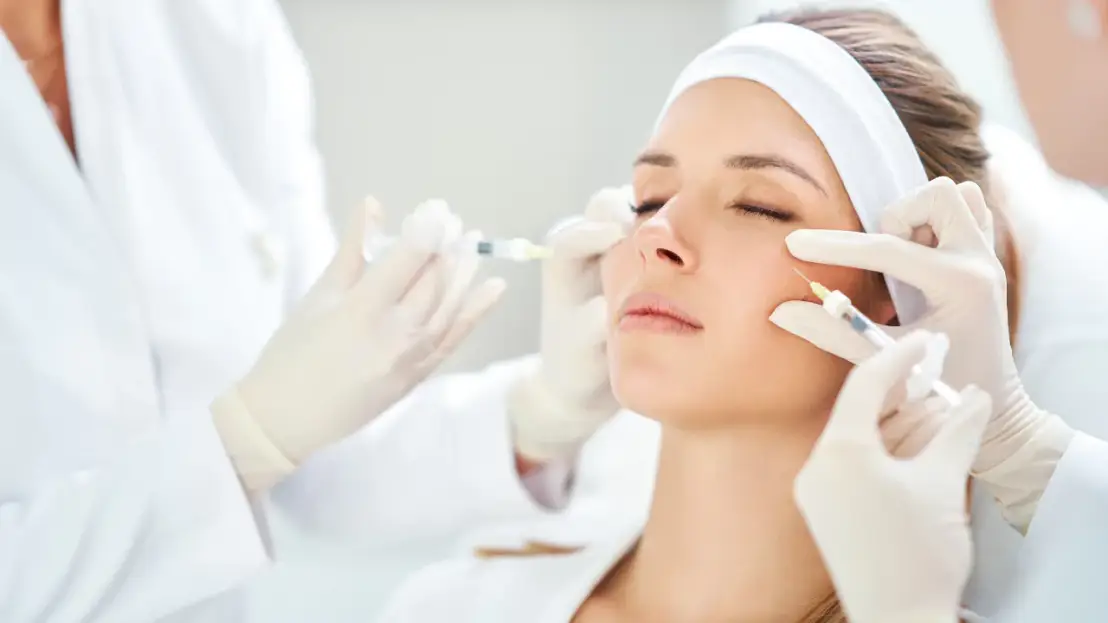
Softens dynamic wrinkles and prevents future lines with expertly placed neuromodulators.

We’re proud to offer one of the most powerful, collagen-boosting treatments in regenerative aesthetics.
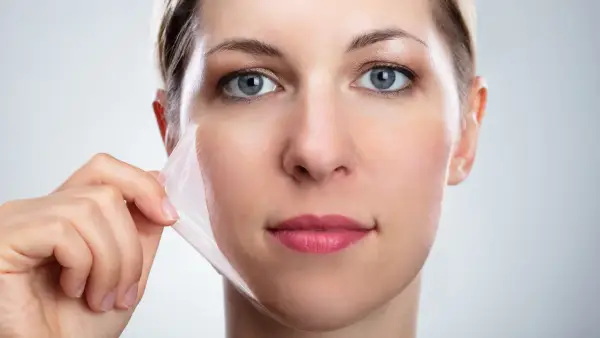
Gentle to deep exfoliation treatments that reveal luminous skin while reducing acne, hyperpigmentation, and fine lines.
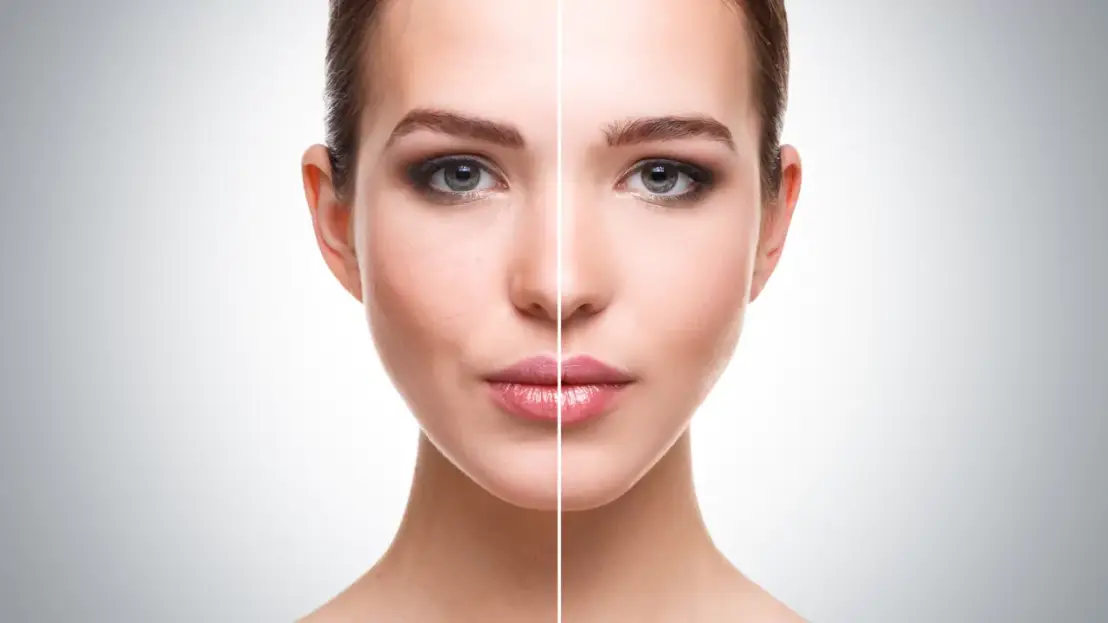
Enhance lips, cheeks, jawlines, and under-eyes with natural-looking volume restoration.
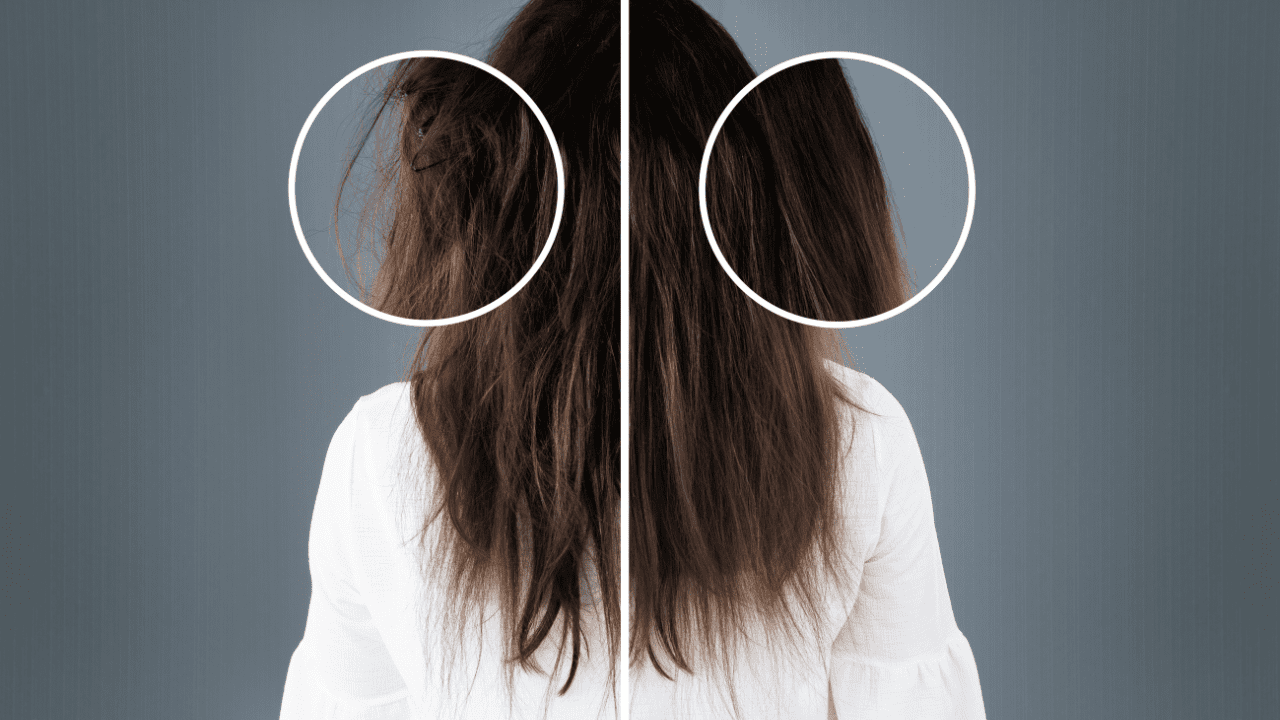
We believe true beauty isn’t just skin deep—it’s restored confidence through healthy, natural hair.
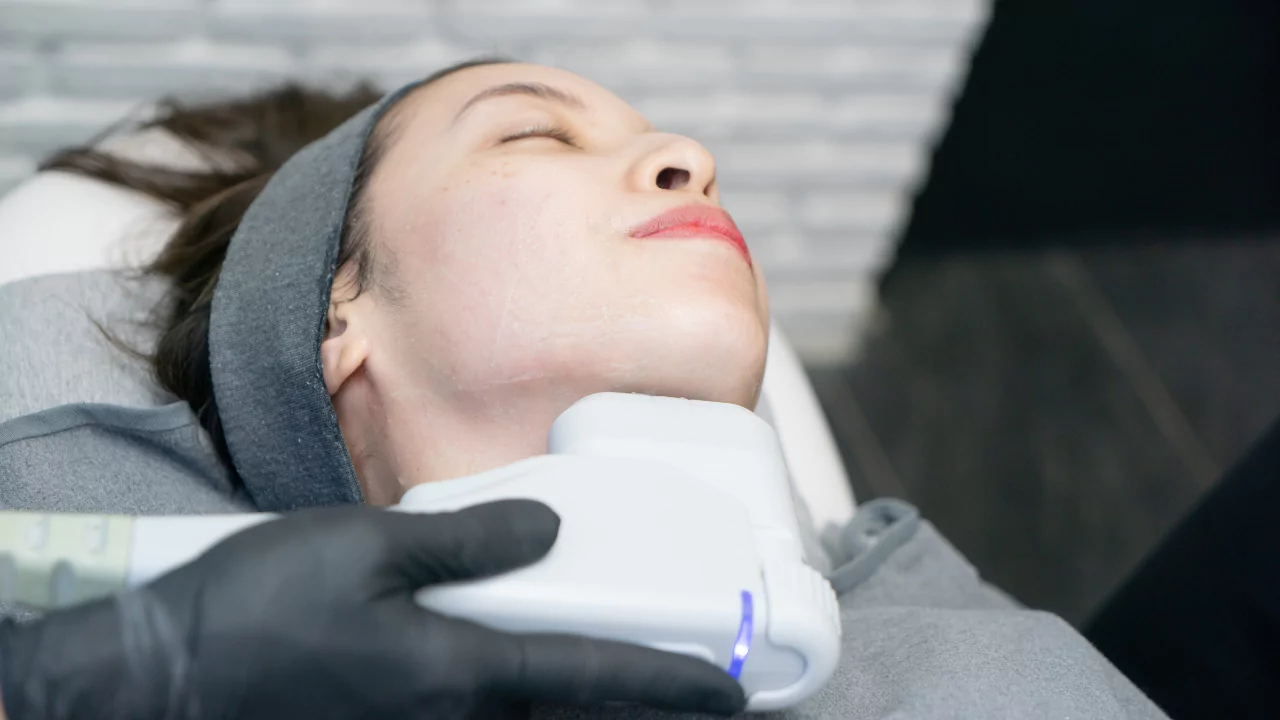
A non-surgical facelift alternative that lifts and tightens with high-intensity focused ultrasound.

Powerful way to nourish your body, combat fatigue, strengthen immunity, and elevate your skin’s natural radiance from the inside out.

Energizes from within—enhancing clarity, repair, energy, and vitality. More than hydration, it’s cellular optimization.

Safe, long-lasting hair reduction for smooth skin—available for all skin types.
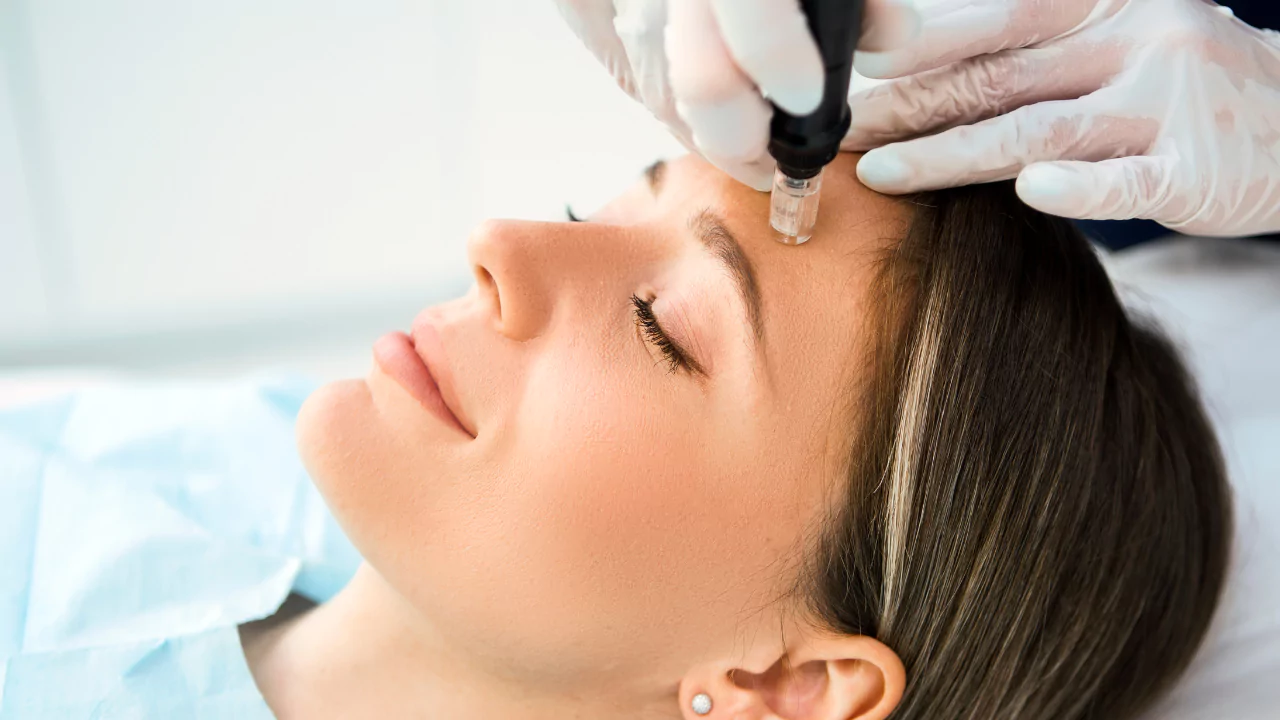
Stimulate collagen production and improve skin texture with minimal downtime.
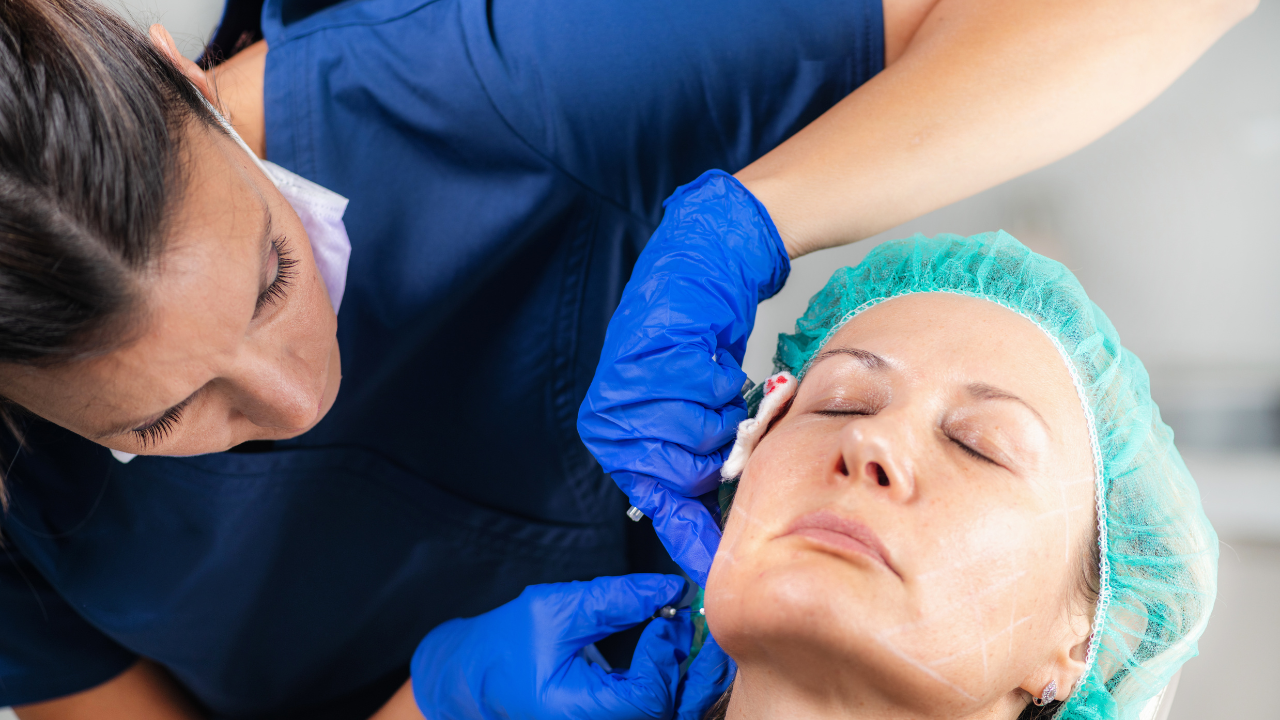
Lift and sculpt without surgery using absorbable sutures that stimulate collagen.
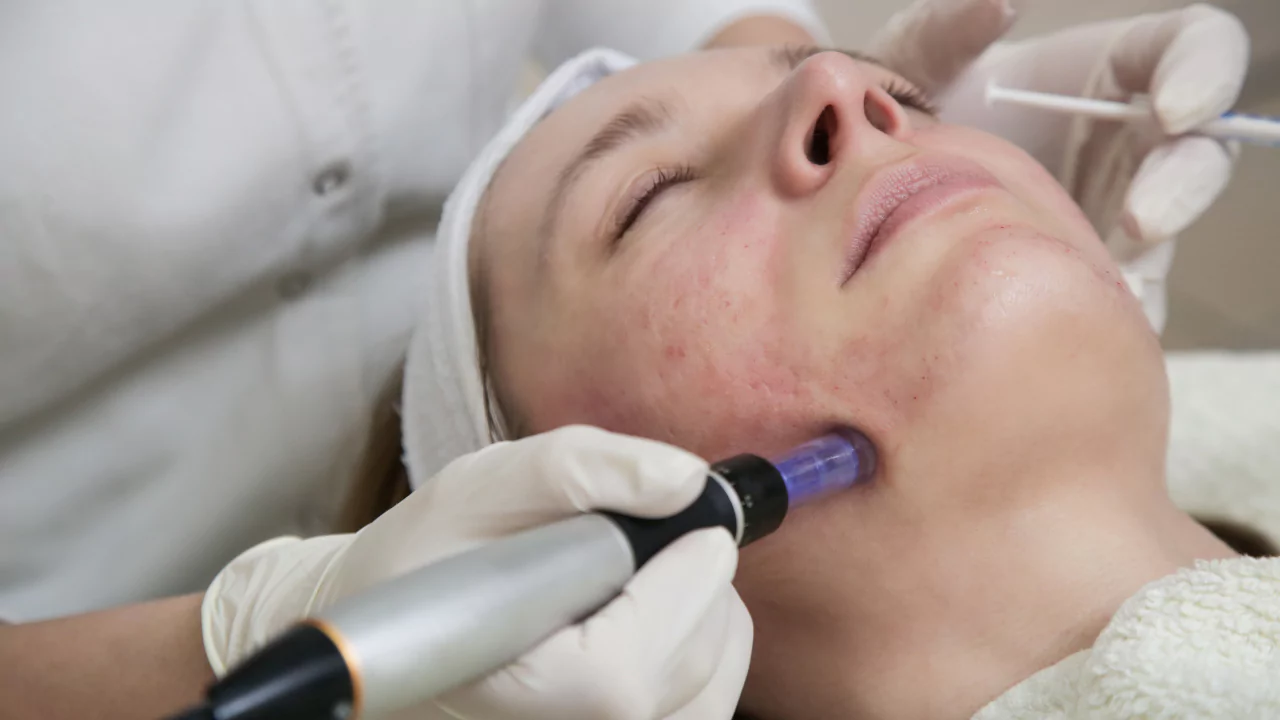
Supercharge collagen synthesis using your body’s own platelet-rich plasma for rapid rejuvenation.
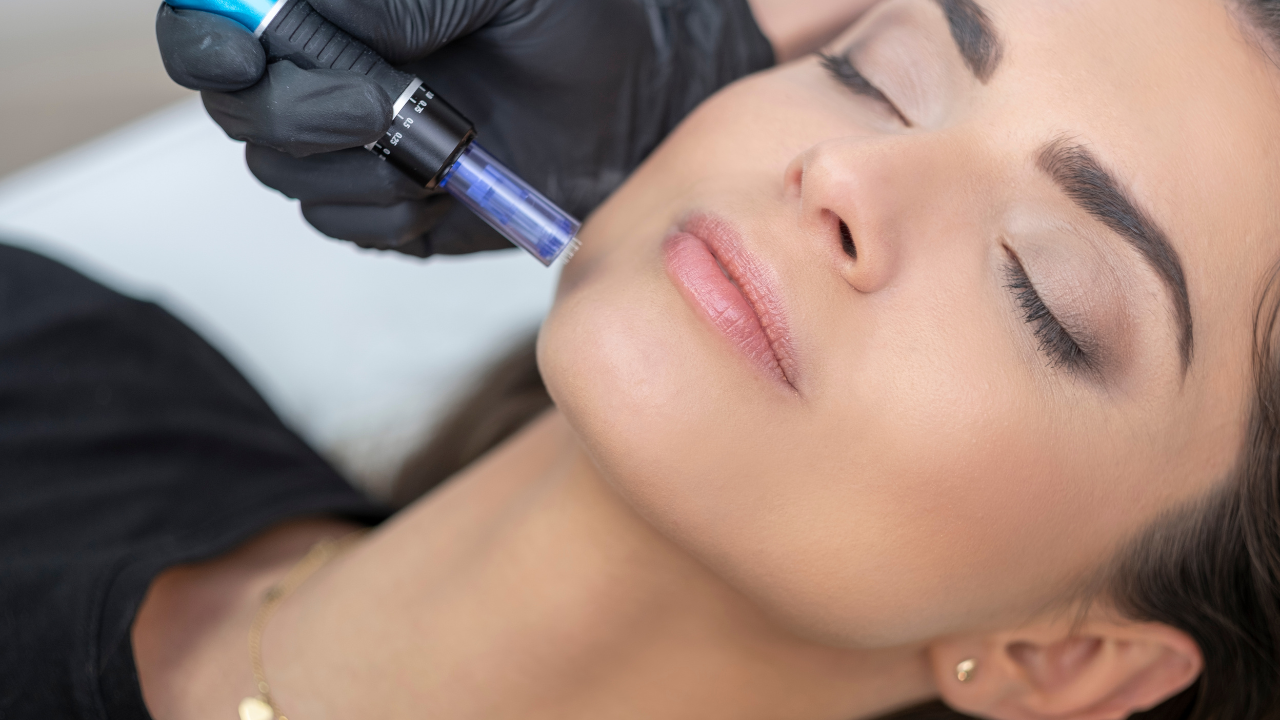
This powerful treatment combines two proven skin-renewing technologies: microneedling and radiofrequency energy

Deeply hydrate and nourish skin with injectable hyaluronic acid for a dewy, healthy glow.

We believe true beauty isn’t just about structure—it’s about skin that glows from within.