
Treatments for hair restoration continue to evolve, providing effective solutions for those facing hair loss. If you’re seeking options that truly make a difference, understanding the latest methods can help you achieve fuller, healthier hair. From FDA-approved medications to innovative procedures, this blog will guide you through the most effective treatments on the market today, ensuring you can make an informed decision for your hair care journey.
Your journey into hair restoration begins with understanding the root causes of hair loss. Various factors contribute to hair thinning, including genetics, hormonal changes, diet, and overall health. Identifying these factors is imperative in determining the right treatment for your unique situation.
Along with genetics, there are several other causes that lead to hair loss. These may include stress, hormonal imbalances, medical conditions, and nutritional deficiencies. Understanding what leads to your hair loss can help in finding the most effective treatment.
Beside the causes, it’s equally important to recognize the various types of hair loss that can affect you. These can range from temporary shedding to permanent hair loss patterns. Knowing the type of hair loss you’re experiencing can aid you in selecting appropriate treatments. Some common types include:
This knowledge will help you approach the situation more effectively.
| Type | Description |
| Alopecia Areata | Autoimmune condition causing sudden hair loss. |
| Androgenetic Alopecia | Common genetic hair loss in men and women. |
| Telogen Effluvium | Temporary shedding due to stress or illness. |
| Traction Alopecia | Hair loss from tight hairstyles. |
| Scarring Alopecia | Permanent hair loss due to scarring on the scalp. |
Indeed, understanding the specifics of hair loss types will better equip you in your search for effective treatments. Each type has unique characteristics and challenges that require tailored solutions. Common types of hair loss include:
This perspective will enhance your understanding and facilitate informed decisions about your hair restoration journey.
| Factor | Effect |
| Genetics | Influences patterns of hair loss |
| Diet | Deficiency can slow hair growth |
| Hormones | Affect hair density and shedding |
| Stress | May trigger hair loss |
| Medical Conditions | Can cause sudden or gradual hair loss |
The journey to restore your hair can take many forms, and non-surgical hair restoration treatments offer effective solutions without the need for invasive procedures. Treatments such as topical solutions and laser therapy may help stimulate hair growth and improve hair density. For more insights into various options, check out Cosmetic Procedures for Hair Loss.
The topical solution minoxidil is FDA-approved for hair loss treatment and is available over-the-counter. It works by increasing blood flow to hair follicles, which can enhance hair growth and slow down hair loss. Many users have reported significant improvements in thickness and fullness within just a few months of consistent application.
Against the backdrop of various hair restoration options, low-level laser therapy (LLLT) stands out as a non-invasive treatment aimed at stimulating hair follicles. This method utilizes laser light to boost cellular activity, promoting hair growth and reducing thinning.
LowLevel laser therapy can be an excellent choice for you if you prefer a painless and quick procedure. Research suggests that regular sessions can contribute to noticeable improvements in hair density and scalp health. As a result, many users have integrated LLLT into their hair wellness routine for long-lasting results.
Once again, surgical hair restoration might be the solution you need to regain your confidence. Many people seek out procedures that provide lasting results, with options like Follicular Unit Transplantation (FUT) and Follicular Unit Extraction (FUE). To explore the best hair loss treatments for men, you can visit this resource.
Any discussion of surgical hair restoration would be incomplete without mentioning Follicular Unit Transplantation (FUT). This method involves taking a strip of scalp from a donor site and dividing it into smaller grafts, which are then implanted into thinning or balding areas of your scalp.
To understand another effective method, Follicular Unit Extraction (FUE) stands out for its minimally invasive nature. This technique involves the extraction of individual hair follicles directly from the scalp, allowing for a more precise and less noticeable restoration.
Extraction is typically performed under local anesthesia and leaves minimal scarring, making FUE a popular choice for those seeking a natural look. The grafts are meticulously placed to mimic your hair’s growth pattern, ensuring seamless integration. The recovery time is generally shorter than with FUT, allowing you to return to daily activities much sooner.
Now, the landscape of hair restoration is rapidly evolving, introducing innovative technologies that offer promising results. These emerging treatments aim to tackle hair loss effectively, providing you with new options that go beyond traditional methods. From cellular therapies to advanced techniques, these technologies harness the power of your body’s natural healing processes to stimulate hair growth.
Plasma therapy involves drawing your blood, processing it to concentrate the platelets, and then injecting this nutrient-rich plasma into your scalp. This procedure is designed to promote hair regrowth by harnessing the growth factors found in your own platelets, which stimulate the hair follicles and enhance blood circulation. Many individuals find that PRP therapy helps to improve hair density and thickness over time.
At the forefront of hair restoration, stem cell therapy utilizes your body’s own stem cells to rejuvenate hair follicles and promote new hair growth. By extracting stem cells from your body, often from fat tissue, and reintroducing them to the scalp, this treatment rejuvenates damaged hair follicles and can significantly enhance your hair’s natural growth cycle.
And as research continues, the potential of stem cell therapy is becoming increasingly evident. It not only targets existing hair loss but also seeks to regenerate new hair follicles. By promoting cellular regeneration, this method could pave the way for long-lasting results. If you’re looking for a cutting-edge approach to restore your hair, exploring stem cell therapy may prove to be a transformative option for you.
Many factors contribute to your hair health, and lifestyle choices play a significant role. Consider the following aspects:
Knowing how these elements impact your overall well-being can help you make informed decisions. For more insights, check out It’s not too late to save thinning hair.
Health plays a pivotal role in maintaining strong, vibrant hair. A balanced diet rich in vitamins, minerals, and proteins boosts hair growth while preventing thinning. Incorporate foods high in omega-3 fatty acids, iron, zinc, and vitamins A, C, D, and E for optimal results.
Behind the scenes, stress can significantly impact your hair health, leading to conditions like telogen effluvium, where hair falls out at an increased rate. Managing stress effectively can help maintain your hair’s vitality.
Plus, incorporating relaxation techniques such as yoga, meditation, or deep-breathing exercises can mitigate stress levels and promote healthier hair growth. Finding what works best for you can make all the difference in achieving your hair restoration goals.
After exploring various hair restoration treatments, it’s imperative to compare these options to determine what aligns best with your needs and lifestyle. Each treatment has unique characteristics that may suit you differently. The following table outlines key aspects of popular treatments to help you evaluate your choices.
| Treatment Type | Features |
|---|---|
| Minoxidil | Over-the-counter, topical solution; promotes hair growth |
| Finasteride | Prescription oral medication; prevents hair loss |
| Hair Transplant | Surgical option; provides permanent results |
| Platelet-Rich Plasma (PRP) | Injectable treatment; stimulates hair follicles |
Along with understanding each treatment’s properties, consider their effectiveness in achieving desired results. For instance, Minoxidil works best in early stages of hair loss, while hair transplants provide permanent solutions. Make sure to evaluate which method will likely yield the best results for your specific situation.
Options for hair restoration vary significantly in cost and availability, which can influence your decision. Some treatments, like Minoxidil and Finasteride, are relatively affordable and easy to obtain, whereas hair transplants can involve substantial financial commitment and specialized clinics. Assessing your budget and accessibility to these treatments is an important step in your decision-making process.
At the same time, it’s vital to recognize that costs can also encompass follow-up treatments and maintenance. For example, while a single hair transplant may seem high at first, ongoing care and potential additional sessions can add to your overall investment. Check with local providers to get an accurate estimate of treatment accessibility and financial requirements.
So, as you explore hair restoration treatments, it’s important to consider options like minoxidil, finasteride, and PRP therapy that have shown effective results. Each treatment interacts differently with your unique hair growth patterns and causes of hair loss. Consulting with a healthcare professional will help tailor your approach for optimal results, ensuring that you make informed decisions about your hair restoration journey. Embrace the possibilities available to you, and take proactive steps toward achieving the hair health and confidence you desire.
A: Among the most effective hair restoration treatments are Follicular Unit Extraction (FUE), Platelet-Rich Plasma (PRP) therapy, and Hair Transplant Surgery. FUE involves harvesting individual hair follicles from a donor area and implanting them in balding regions, resulting in a natural appearance with minimal scarring. PRP therapy uses the patient’s blood, which is processed to concentrate platelets before being injected into the scalp to stimulate hair growth. Hair Transplant Surgery, specifically techniques like FUT (Follicular Unit Transplantation), can offer lasting solutions for those with significant hair loss.
A: The timeline for visible results varies by treatment method. With hair transplant surgery, patients can typically expect to see initial hair growth within three to four months, while full results may take up to a year. PRP therapy may show noticeable improvements in hair density and thickness within three to six months after the initial treatment series. It’s important to note that results can vary based on individual factors, including the extent of hair loss and overall health.
A: While most hair restoration treatments are considered safe, there can be side effects. FUE may induce mild discomfort, swelling, or temporary redness at the donor and implant sites. PRP therapy sometimes leads to slight bruising or soreness following injections. Hair transplant surgery carries risks like infection or scarring. Consulting with a qualified dermatologist or hair restoration specialist can help assess individual risk profiles and clarify any concerns regarding these procedures.
At Bare Elegance Aesthetics, we offer a comprehensive suite of advanced skincare and aesthetic treatments designed to rejuvenate and enhance your natural beauty. Our services include Chemical Peels, which exfoliate and revitalize the skin for a smoother, more radiant complexion. We provide Dermal Fillers to restore volume and reduce the appearance of fine lines and wrinkles. Our Botox treatments help relax facial muscles, diminishing dynamic wrinkles for a youthful look. For skin rejuvenation, we offer Micro-Needling Treatment, which stimulates collagen production to improve skin texture and tone. Enhancing this, our PRP Micro-Needling Treatment utilizes platelet-rich plasma to accelerate healing and boost results. We also provide RF Micro-Needling, combining radiofrequency energy with microneedling for deeper skin tightening and rejuvenation. Our HiFu Anti-Aging service offers non-invasive skin lifting and tightening using high-intensity focused ultrasound technology. Each treatment is tailored to meet your individual needs, ensuring optimal results and a personalized experience. Discover more about our commitment to excellence and personalized care on our About Us page.
From subtle enhancements to transformative therapies, our service menu is crafted with innovation and intention. Explore our most in-demand offerings:
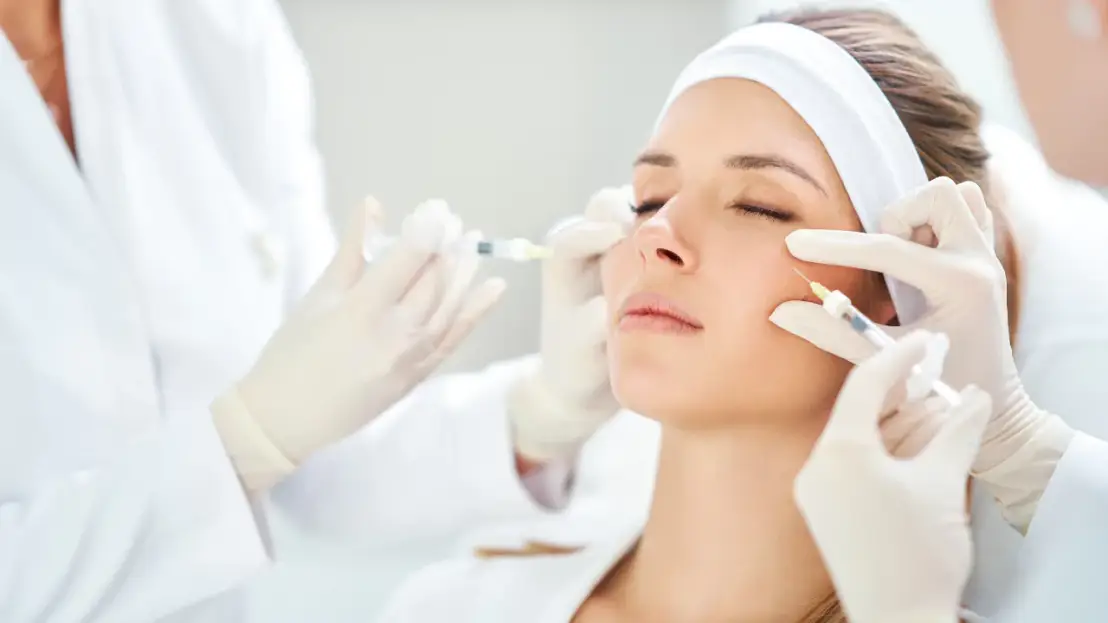
Softens dynamic wrinkles and prevents future lines with expertly placed neuromodulators.

We’re proud to offer one of the most powerful, collagen-boosting treatments in regenerative aesthetics.
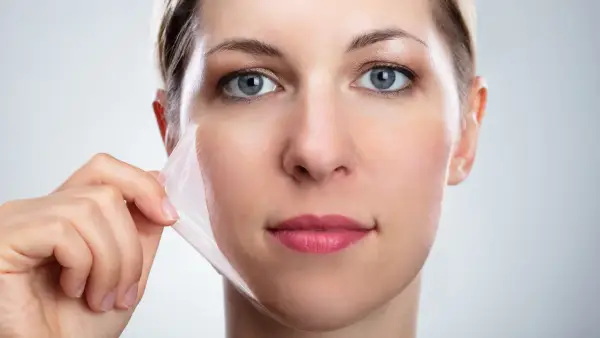
Gentle to deep exfoliation treatments that reveal luminous skin while reducing acne, hyperpigmentation, and fine lines.
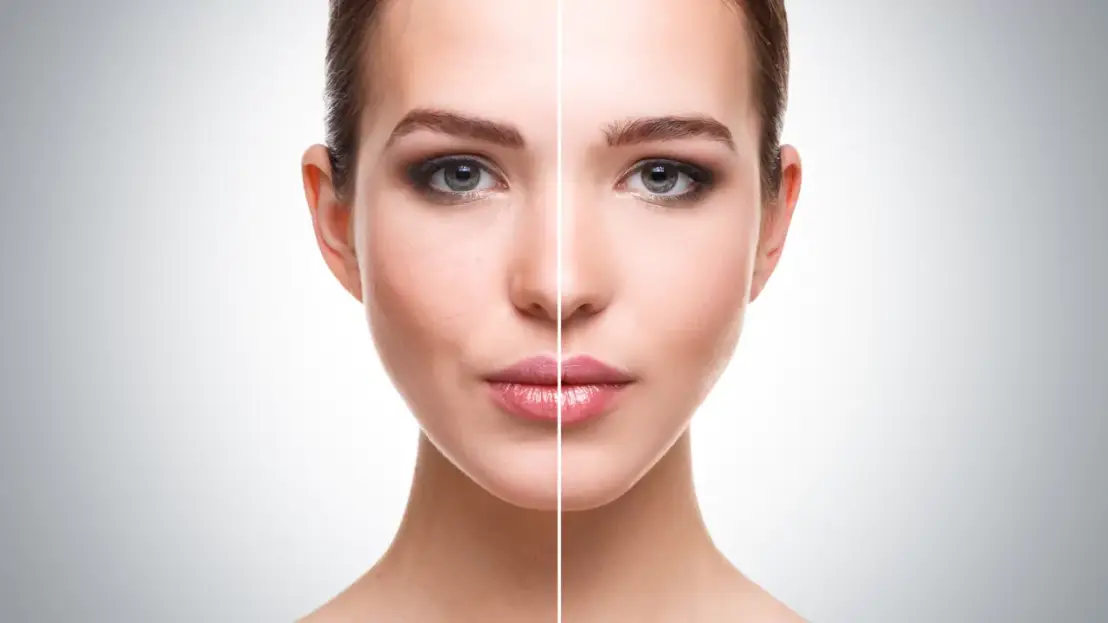
Enhance lips, cheeks, jawlines, and under-eyes with natural-looking volume restoration.
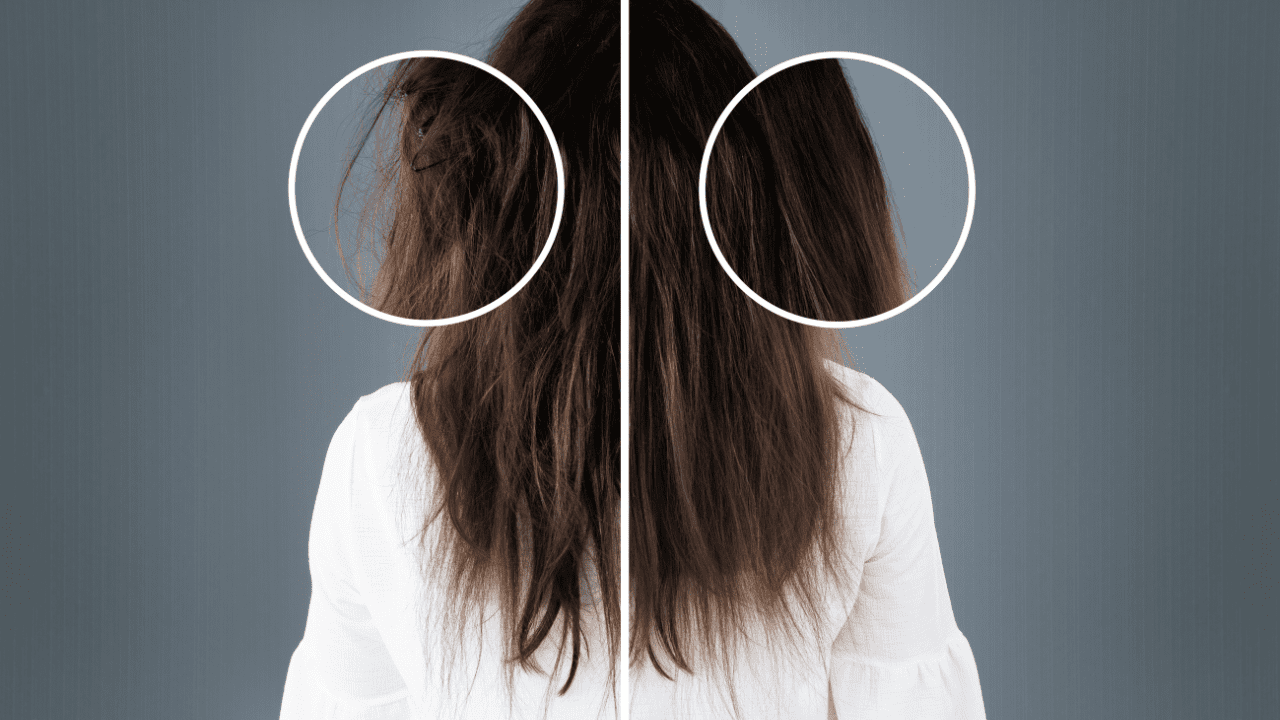
We believe true beauty isn’t just skin deep—it’s restored confidence through healthy, natural hair.
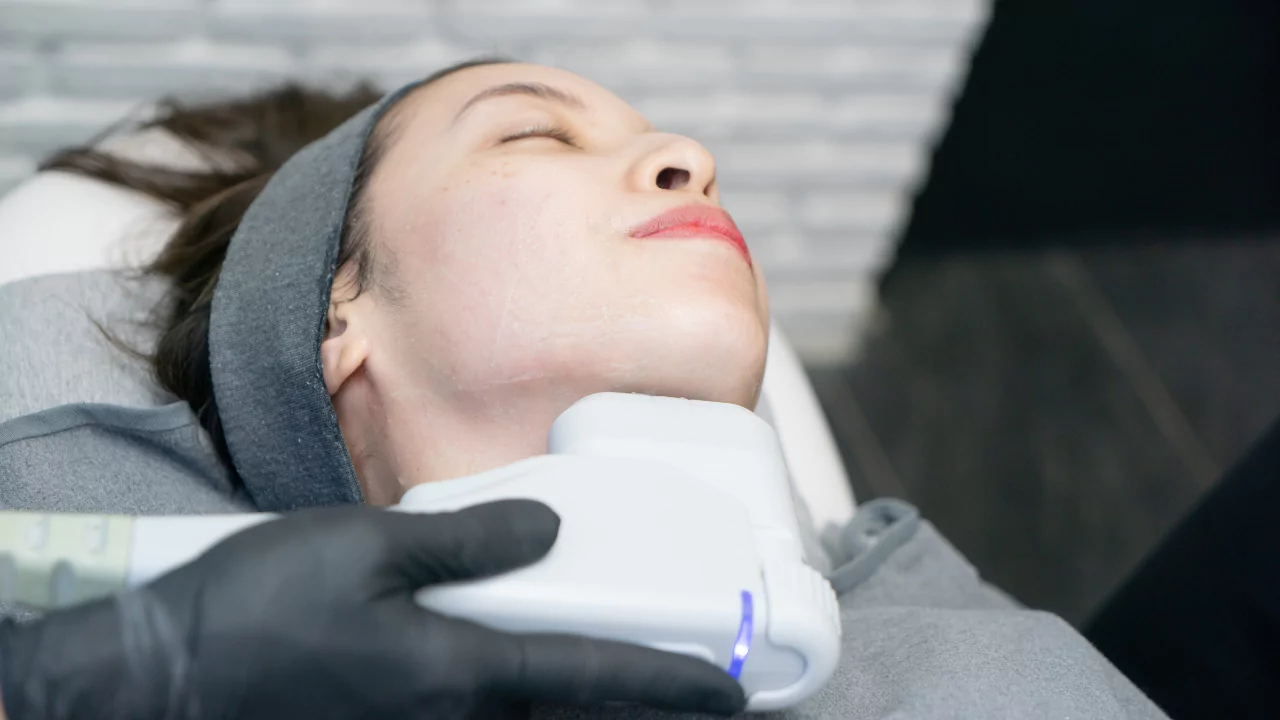
A non-surgical facelift alternative that lifts and tightens with high-intensity focused ultrasound.

Powerful way to nourish your body, combat fatigue, strengthen immunity, and elevate your skin’s natural radiance from the inside out.

Energizes from within—enhancing clarity, repair, energy, and vitality. More than hydration, it’s cellular optimization.
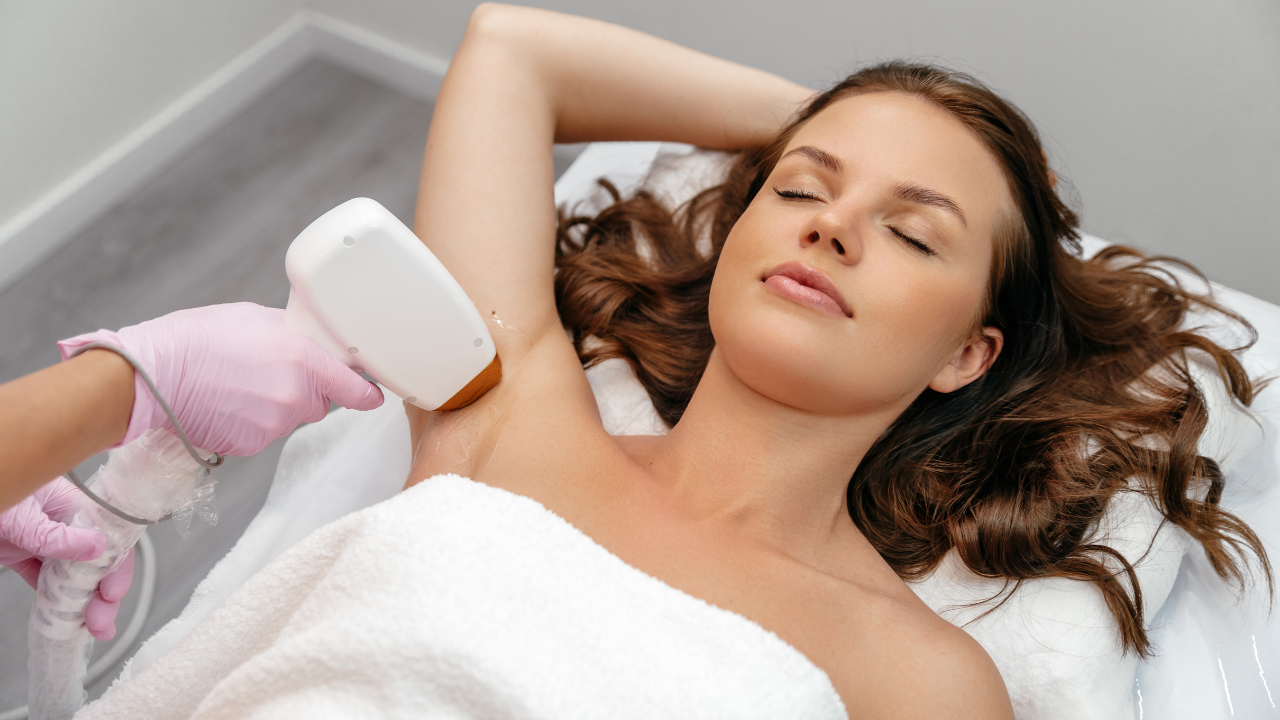
Safe, long-lasting hair reduction for smooth skin—available for all skin types.
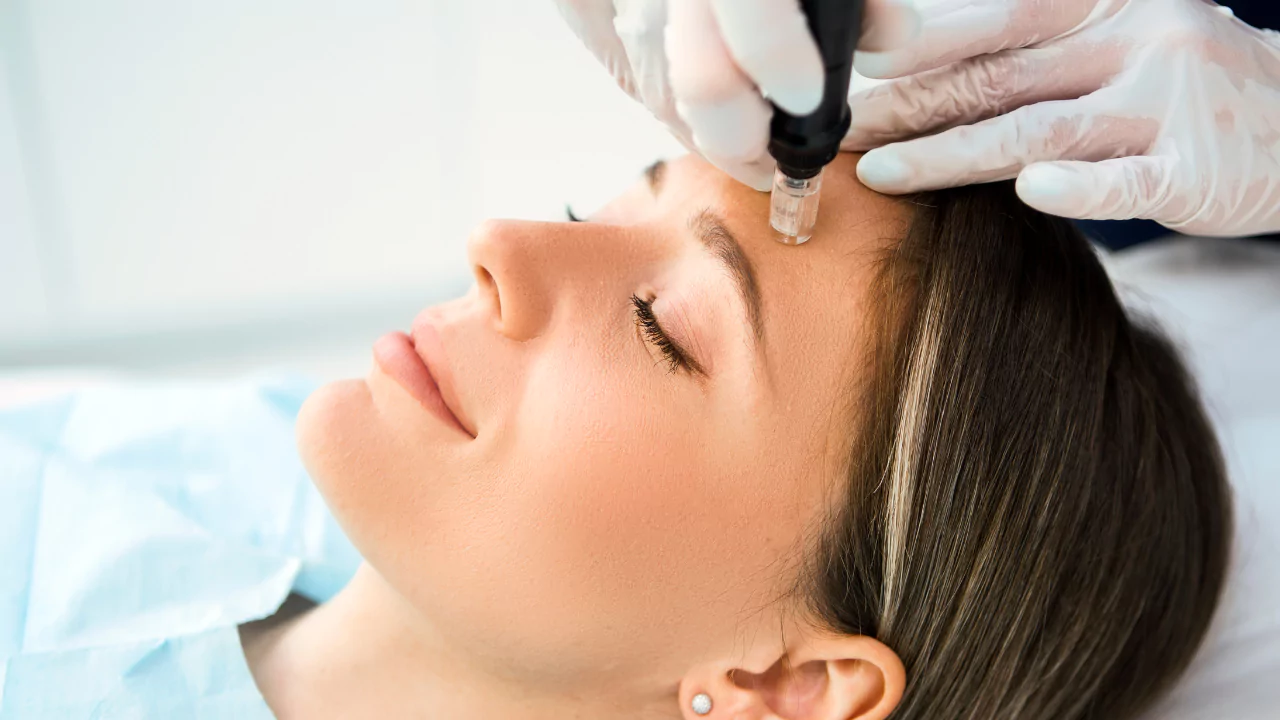
Stimulate collagen production and improve skin texture with minimal downtime.
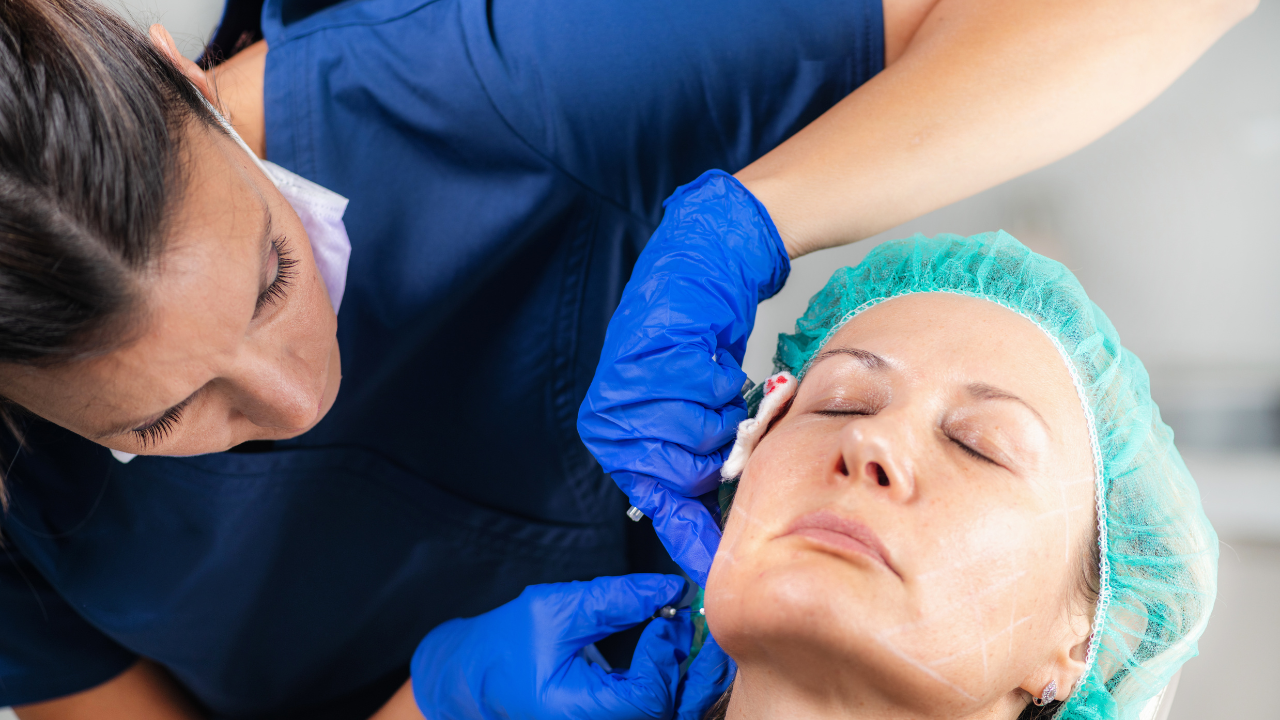
Lift and sculpt without surgery using absorbable sutures that stimulate collagen.
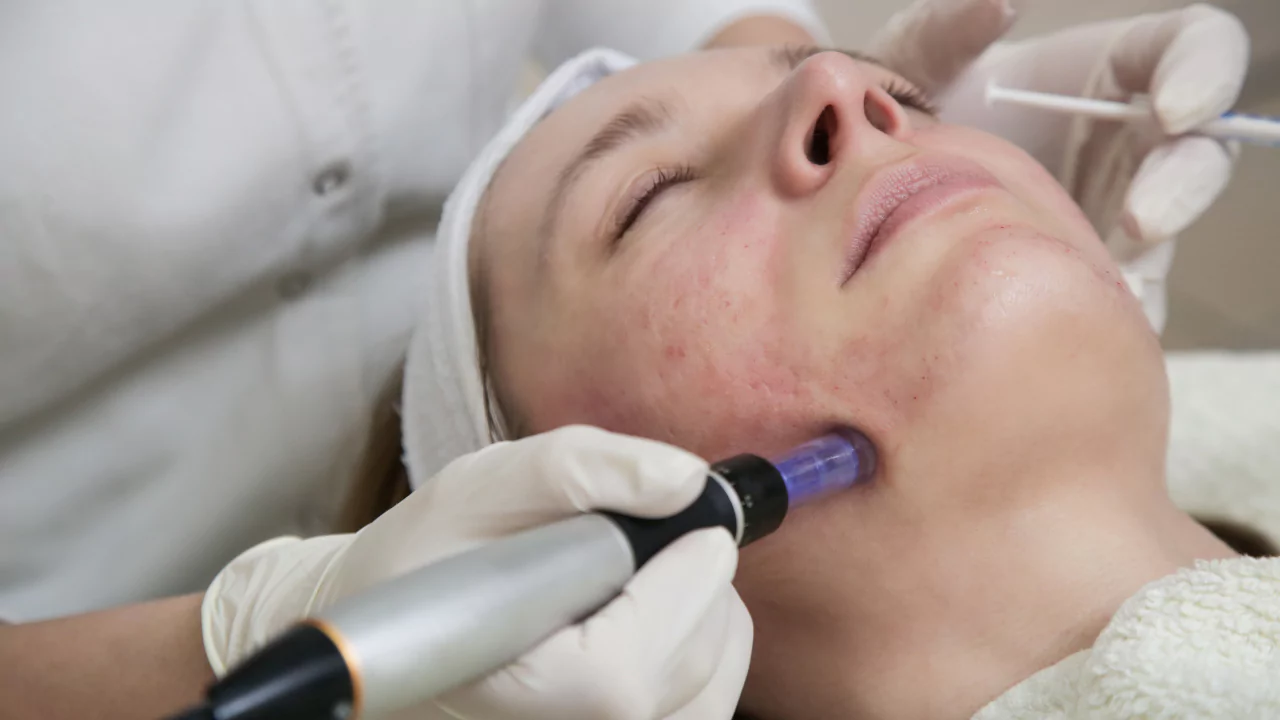
Supercharge collagen synthesis using your body’s own platelet-rich plasma for rapid rejuvenation.
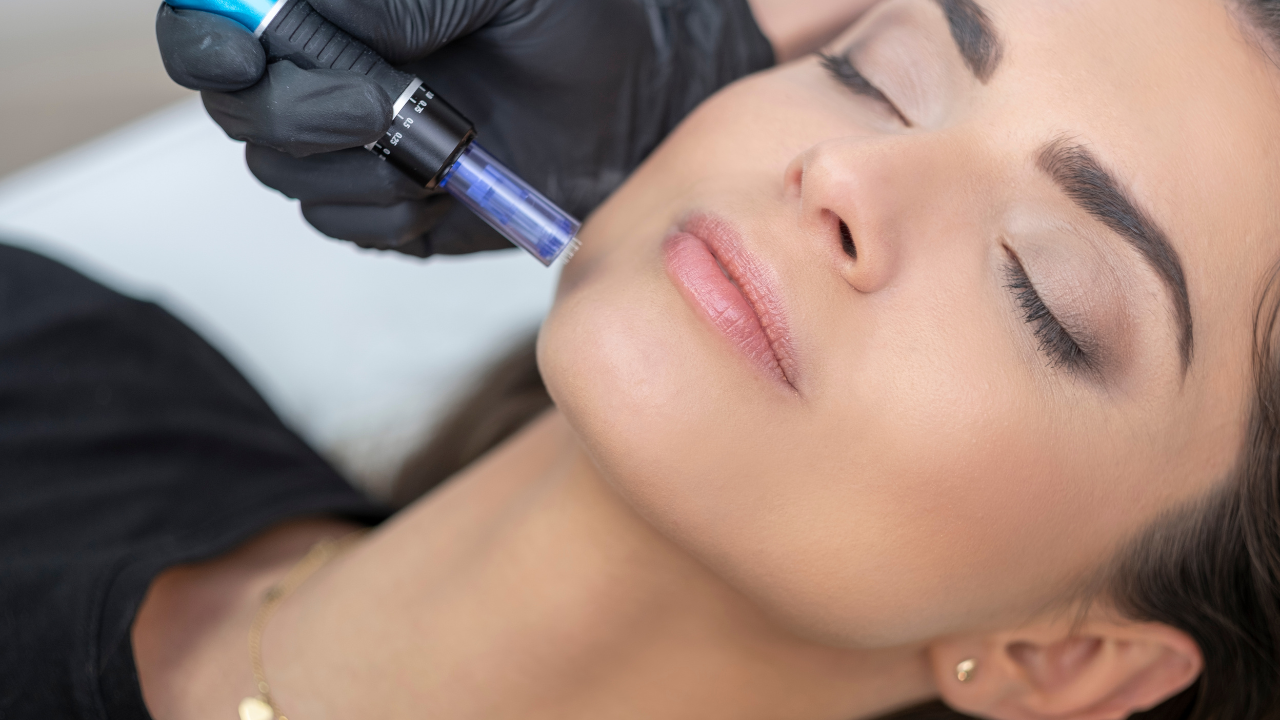
This powerful treatment combines two proven skin-renewing technologies: microneedling and radiofrequency energy

Deeply hydrate and nourish skin with injectable hyaluronic acid for a dewy, healthy glow.
We believe true beauty isn’t just about structure—it’s about skin that glows from within.