
Myths about hair loss can cloud your understanding of what truly influences your hair health. You may have heard various claims about causes and cures, leaving you confused about what really works for your situation. In this post, we aim to debunk common hair loss myths, providing you with accurate facts to help you make informed decisions. By understanding the truth behind hair loss, you can take the right steps towards maintaining your mane and addressing any concerns you have.
For many, hair loss can be a perplexing experience. Understanding the underlying factors that contribute to this issue is important in order to address your concerns effectively. Hair loss can affect anyone, regardless of age or gender, and can stem from a variety of causes, including genetics, hormones, and lifestyle choices. By identifying the specific factors at play, you can begin to take proactive steps towards solutions that work for you.
The most common causes of hair loss include hormonal changes, medical conditions, diet, and stress. Additionally, environmental factors and certain medications can also contribute to thinning hair. Here are some key points to consider:
Assume that by addressing these potential causes, you may improve your hair health.
Causes of hair loss can be significantly influenced by genetic factors and hormonal fluctuations. If you have a family history of thinning hair, you may be more prone to experiencing similar patterns of hair loss. Hormones, particularly androgens, play a vital role in hair growth cycles and can affect hair follicle sensitivity. It’s important to be aware of these impacting elements:
Assume that understanding your genetic predispositions and hormonal influences can aid in finding tailored solutions.
Also, it is beneficial to examine deeper into hormonal factors and genetics that may impact your hair loss journey. Research suggests that if you inherit specific genes, you might experience hair thinning at a younger age. Hormonal levels fluctuate throughout your life, which may lead to cycles of hair loss and regrowth. It’s beneficial to consider these factors:
Assume that being proactive can greatly improve your understanding and management of hair loss.
Some hair loss misconceptions can confuse you and lead to ineffective treatments. By understanding the difference between myth and fact, you can make informed decisions regarding your hair care. Many people mistakenly believe that specific habits or products are the sole cause of hair loss, but in reality, genetics and hormonal factors play a more significant role. Empower yourself with accurate information to effectively address your hair loss concerns.
Products claiming to reverse hair loss often exaggerate their effectiveness, leading you to believe that simple topical applications can solve a complex problem. While some formulations may improve the health of existing hair, they generally do not prevent universal hair loss caused by genetic factors. You should seek dermatologist-recommended treatments that target your specific hair loss issues rather than relying solely on consumer products.
Among the various approaches to combat hair loss, dietary supplements continue to gain popularity. While certain vitamins and minerals can support hair health, it’s imperative to recognize that they cannot reverse hair loss caused by genetics. Supplements like biotin or omega-3s may bolster the overall condition of your hair, but for lasting results, consider combining them with professional advice tailored to your unique situation.
Hair supplements are not a one-size-fits-all solution. Individual deficiencies in nutrients can affect hair growth, but merely adding more of these substances may not yield your desired results. It’s important to take a holistic view of your diet and health. Consulting a healthcare provider or nutritionist can help you establish a comprehensive plan that meets your needs while enhancing your chances of promoting healthier hair growth.
After exploring the myriad myths surrounding hair loss, it’s important to focus on effective treatments. You can find a comprehensive overview in this article about 10 Myths and Truths about Hair Loss. Various options, such as medications, natural remedies, and lifestyle changes, can support your hair health. Understanding what genuinely works can empower you to make informed decisions about your treatment journey.
Behind many hair loss treatments are medications like minoxidil and finasteride, which have demonstrated efficacy in promoting hair regrowth. Minoxidil, available over-the-counter, is applied topically and can stimulate hair follicles, particularly in individuals experiencing thinning hair. Finasteride, a prescription medication, works differently by blocking the hormone responsible for hair loss. Both options require patience, as results can take several months to appear, but they are often recommended as reliable solutions.
Above all, integrating natural remedies and lifestyle changes can significantly impact your hair health. You might consider important oils, such as rosemary or peppermint, which have shown promise in promoting growth. Maintaining a balanced diet rich in vitamins and minerals, like biotin, zinc, and iron, can also help strengthen your hair. Regular exercise and stress management techniques contribute to overall wellness, directly influencing hair condition.
Treatments like important oils and a nutrient-rich diet can enhance your hair’s vitality. For example, incorporating foods high in omega-3 fatty acids, such as salmon and flaxseeds, supports scalp health. Staying well-hydrated and reducing stress through practices like yoga or meditation significantly contribute to hair resilience. These lifestyle choices, combined with professional treatments when necessary, can create a holistic approach to managing hair loss.
Your journey through hair loss may lead you to consider professional solutions that can significantly improve your hair’s volume and health. Treatments such as minoxidil or finasteride can help, but it’s imperative to understand the facts versus myths regarding their effectiveness. For insight into common misconceptions, check out 14 Hair Myths: Let the myth-busting begin!.
Transplant surgeries like FUE and FUT are often considered effective long-term solutions for hair loss. These procedures involve harvesting hair follicles from donor sites, which are then transplanted to thinning or balding areas. Proper consultation and evaluation are imperative for determining the best option based on your specific needs.
About addressing your hair loss, seeking a consultation with specialists can provide you with tailored solutions that align with your unique situation. Professionals will assess the causes of your hair loss, suggest appropriate treatments, and offer guidance on lifestyle changes that may support hair health. They can also answer any questions to ensure you feel informed and empowered in your decision-making process.
Another important facet of your consultation is discussing the various possible treatments, including medications, PRP therapy, and lifestyle modifications. Specialists can guide you through the entire process, helping you understand the expected outcomes and any associated risks. With their expertise, you can develop a personalized plan that enhances your confidence and overall satisfaction with your hair restoration journey.
Once again, taking proactive steps can significantly enhance the health of your hair. Incorporating good habits such as regular scalp massages, minimizing heat styling, and ensuring proper hydration can promote growth and strength. Consistency is key, so establish a routine that includes gentle cleansing and conditioning tailored to your hair type. By prioritizing these preventative measures, you’ll maintain luscious locks and potentially stave off future hair loss.
After a long day, your scalp needs attention just as much as your hair. Regular exfoliation can help remove product buildup and promote blood circulation, which is necessary for healthy hair follicles. Opt for gentle scalp treatments and keep your scalp moisturized to create the ideal environment for hair growth. Incorporating these practices into your routine will ensure your hair has the best foundation.
To maintain your hair’s strength and vitality, a balanced diet plays a vital role. Your hair requires necessary nutrients such as proteins, vitamins, and minerals to grow effectively. Foods rich in omega-3 fatty acids, iron, and vitamin E can boost hair health and help prevent loss. By incorporating a variety of fruits, vegetables, lean proteins, and whole grains into your meals, you’re providing your body with the nutrition it needs for optimal hair growth.
Plus, a well-rounded diet not only benefits your hair but supports overall health as well. Foods like spinach, fatty fish, nuts, and avocados are excellent choices, as they contribute to stronger, shinier hair. When you nourish your body with these nutrient-dense foods, you’re ensuring that your hair follicles receive the necessary vitamins and minerals they need to thrive. So, focus on your plate; your hair will thank you.
All hair loss journeys are unique, and hearing from others can provide valuable insights. Many individuals share their personal stories, which can help you understand different approaches to managing hair loss. For a deeper look, check out the 11 Myths About Hair Loss Debunked and discover how others have navigated their experiences.
Across various platforms and forums, you’ll find inspiring success stories from individuals who have successfully tackled their hair loss issues. These accounts often highlight personal transformations and the treatments that worked for them, motivating you to explore solutions tailored to your needs.
Beside the emotional challenge of hair loss, many individuals gain valuable lessons throughout their journey. Engaging with your experience can foster personal growth and resilience, teaching you to embrace self-acceptance and search for options that may work for you.
Another important lesson from these journeys is the significance of seeking support. Whether it’s connecting with a community, speaking to professionals, or learning from testimonials, you can benefit from the shared wisdom of others who understand your situation. This shared knowledge can empower you as you navigate through your own experiences with hair loss.
Hence, understanding the differences between hair loss myths and facts can empower you to make informed decisions about your hair care. While certain treatments and lifestyle changes may help, it’s imperative to recognize what truly affects your hair health. By focusing on scientifically supported methods and consulting with professionals, you can take effective steps to manage your hair loss. Stay informed, explore your options, and embrace a proactive approach to your hair care routine.
A: Many people believe that washing hair too often can lead to hair loss, but this is largely a myth. Shampooing daily does not affect the growth cycle of hair. Hair loss is typically linked to genetic factors, hormonal changes, or medical conditions. However, using harsh shampoos can damage hair shafts and lead to breakage. It’s advisable to choose a gentle shampoo that suits your hair type and to wash your hair based on personal preference and scalp needs.
A: This is a common misconception. Wearing hats or helmets does not cause hair loss. While tight headgear can cause traction alopecia, which is hair loss due to excessive pulling on the hair, everyday wear of hats is unlikely to have a significant impact. Proper hair care and avoiding overly tight hairstyles are more important factors in preventing hair loss.
A: While certain nutritional deficiencies can contribute to hair thinning, simply taking dietary supplements will not necessarily halt hair loss. Factors such as genetics, hormone levels, and overall health play a significant role in this process. That said, a balanced diet rich in vitamins and minerals can support healthy hair. Before starting any supplement regimen for hair loss, it’s wise to consult with a healthcare professional to ensure it’s appropriate for your situation.
At Bare Elegance Aesthetics, we offer a comprehensive suite of advanced skincare and aesthetic treatments designed to rejuvenate and enhance your natural beauty. Our services include Chemical Peels, which exfoliate and revitalize the skin for a smoother, more radiant complexion. We provide Dermal Fillers to restore volume and reduce the appearance of fine lines and wrinkles. Our Botox treatments help relax facial muscles, diminishing dynamic wrinkles for a youthful look. For skin rejuvenation, we offer Micro-Needling Treatment, which stimulates collagen production to improve skin texture and tone. Enhancing this, our PRP Micro-Needling Treatment utilizes platelet-rich plasma to accelerate healing and boost results. We also provide RF Micro-Needling, combining radiofrequency energy with microneedling for deeper skin tightening and rejuvenation. Our HiFu Anti-Aging service offers non-invasive skin lifting and tightening using high-intensity focused ultrasound technology. Each treatment is tailored to meet your individual needs, ensuring optimal results and a personalized experience. Discover more about our commitment to excellence and personalized care on our About Us page.
From subtle enhancements to transformative therapies, our service menu is crafted with innovation and intention. Explore our most in-demand offerings:
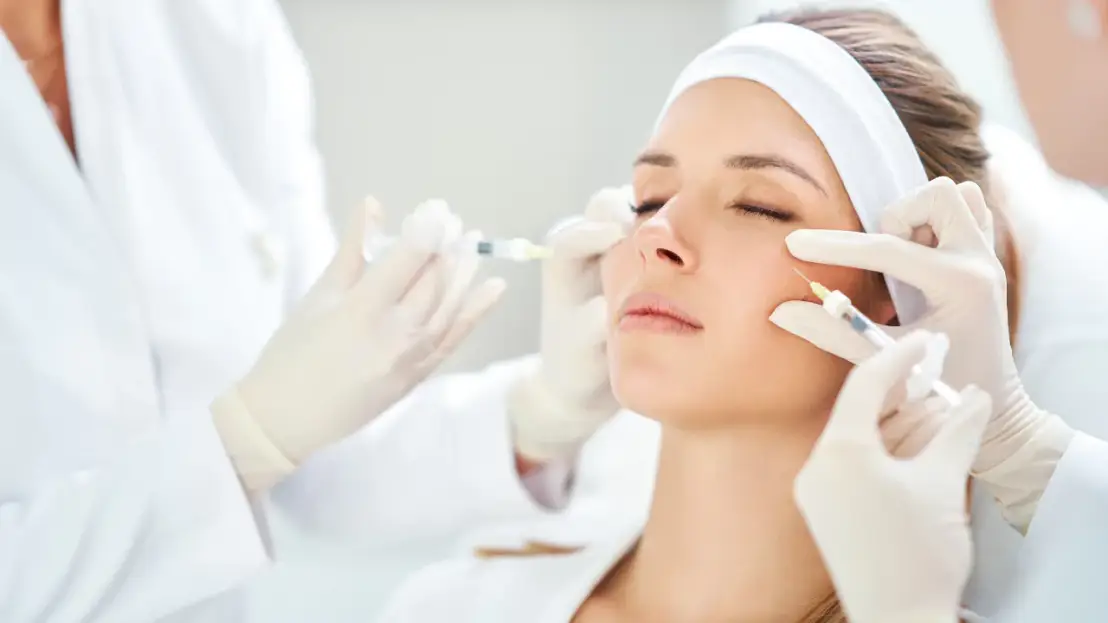
Softens dynamic wrinkles and prevents future lines with expertly placed neuromodulators.

We’re proud to offer one of the most powerful, collagen-boosting treatments in regenerative aesthetics.
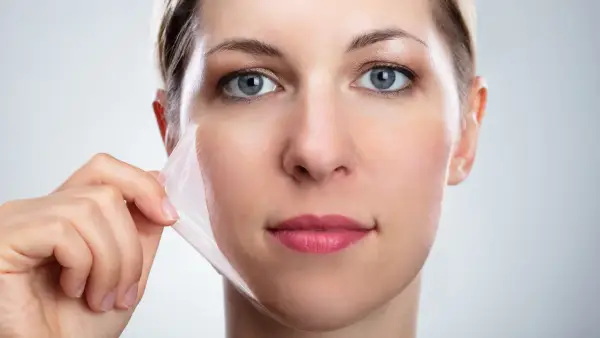
Gentle to deep exfoliation treatments that reveal luminous skin while reducing acne, hyperpigmentation, and fine lines.
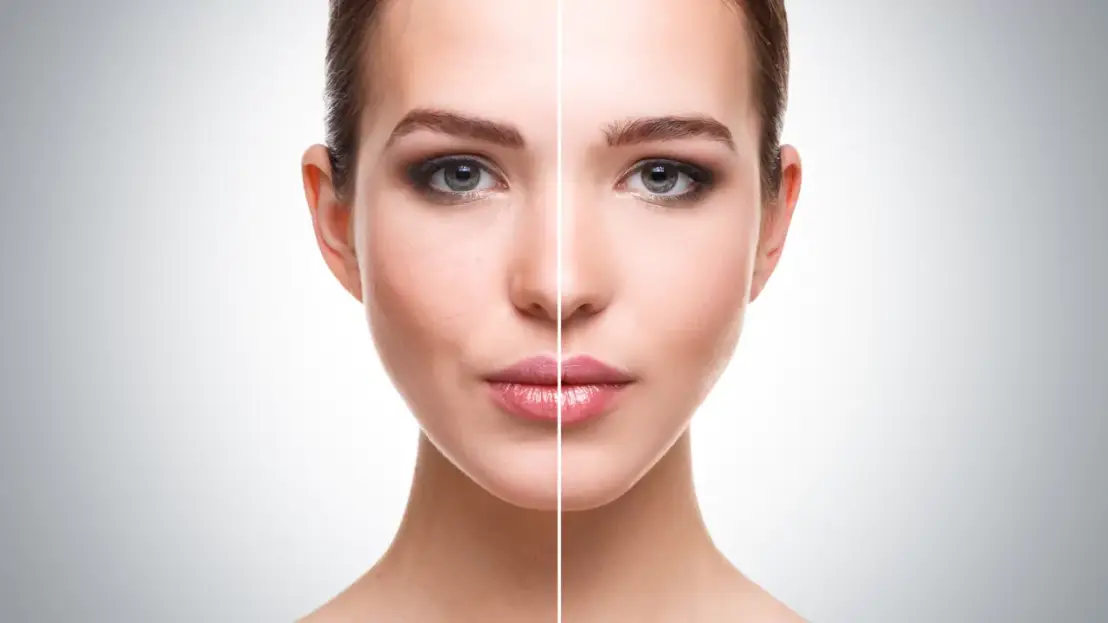
Enhance lips, cheeks, jawlines, and under-eyes with natural-looking volume restoration.
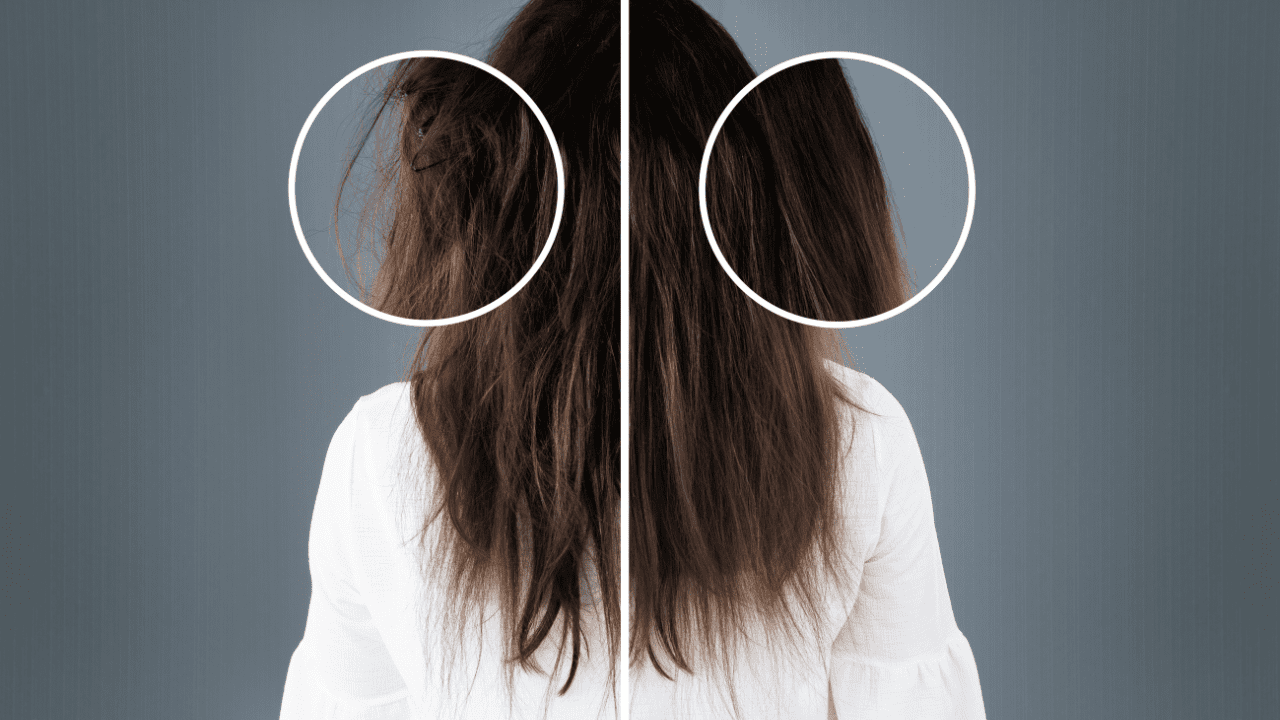
We believe true beauty isn’t just skin deep—it’s restored confidence through healthy, natural hair.
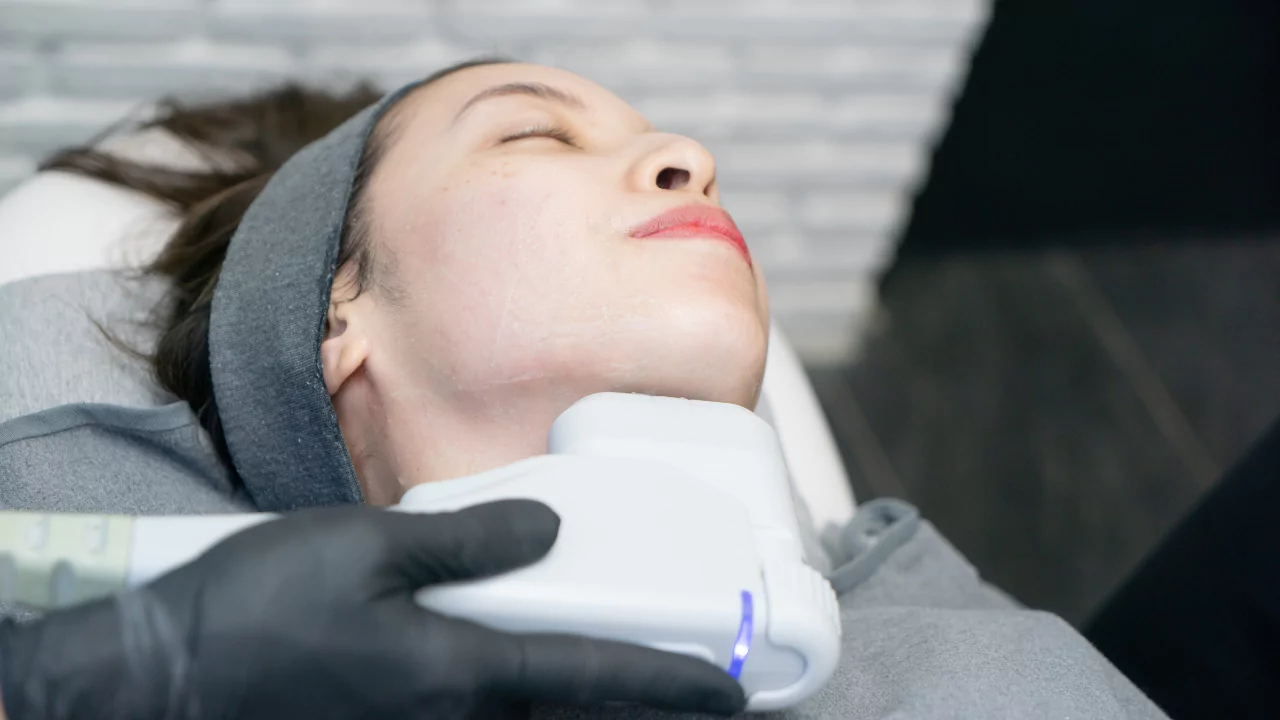
A non-surgical facelift alternative that lifts and tightens with high-intensity focused ultrasound.

Powerful way to nourish your body, combat fatigue, strengthen immunity, and elevate your skin’s natural radiance from the inside out.

Energizes from within—enhancing clarity, repair, energy, and vitality. More than hydration, it’s cellular optimization.

Safe, long-lasting hair reduction for smooth skin—available for all skin types.
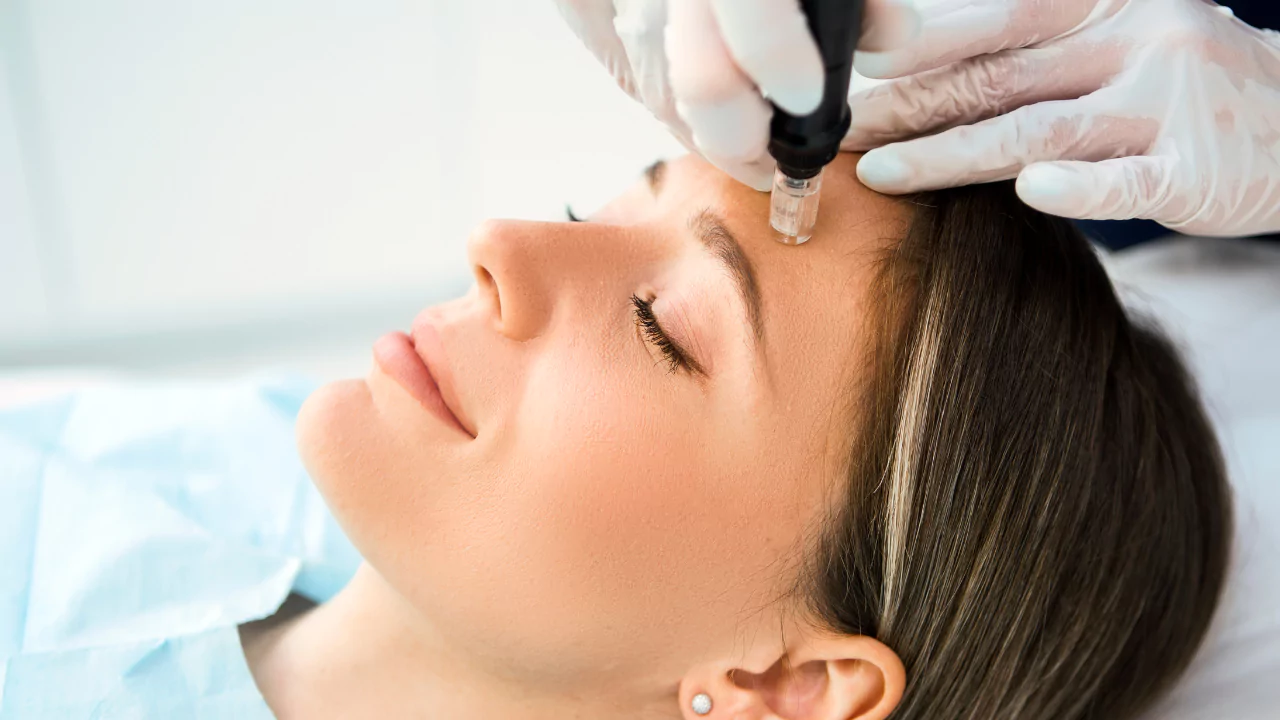
Stimulate collagen production and improve skin texture with minimal downtime.
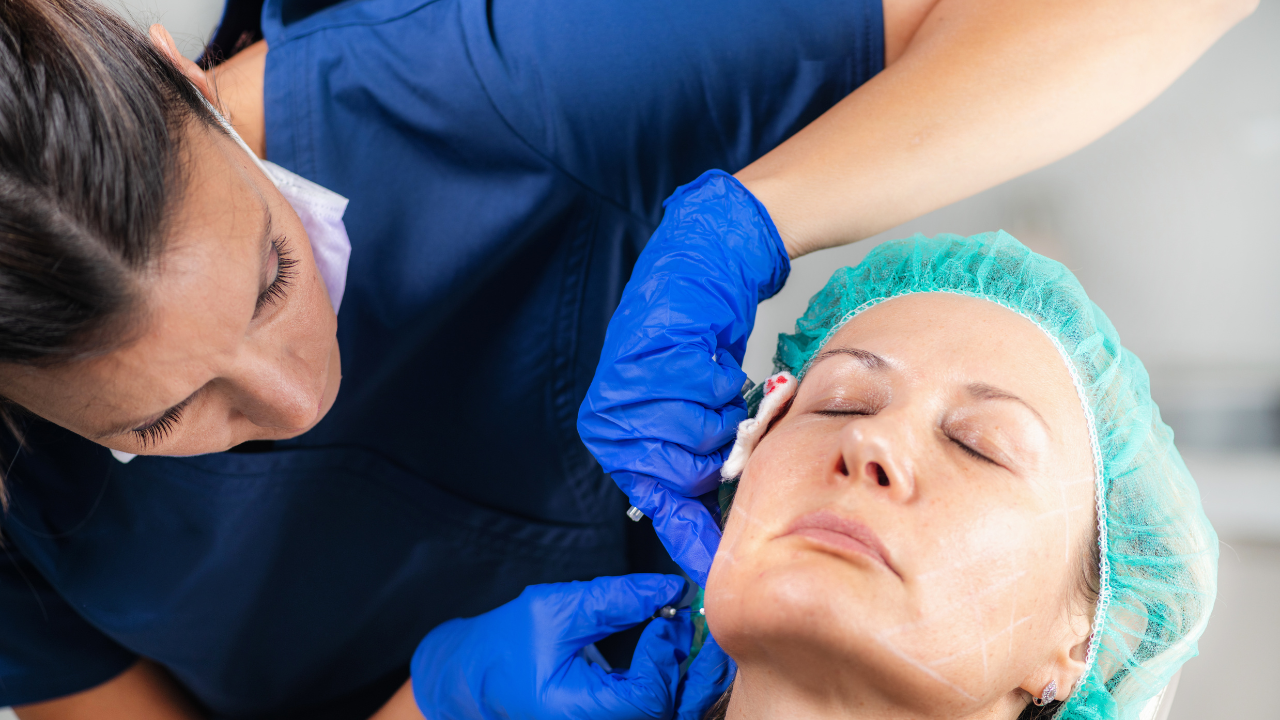
Lift and sculpt without surgery using absorbable sutures that stimulate collagen.
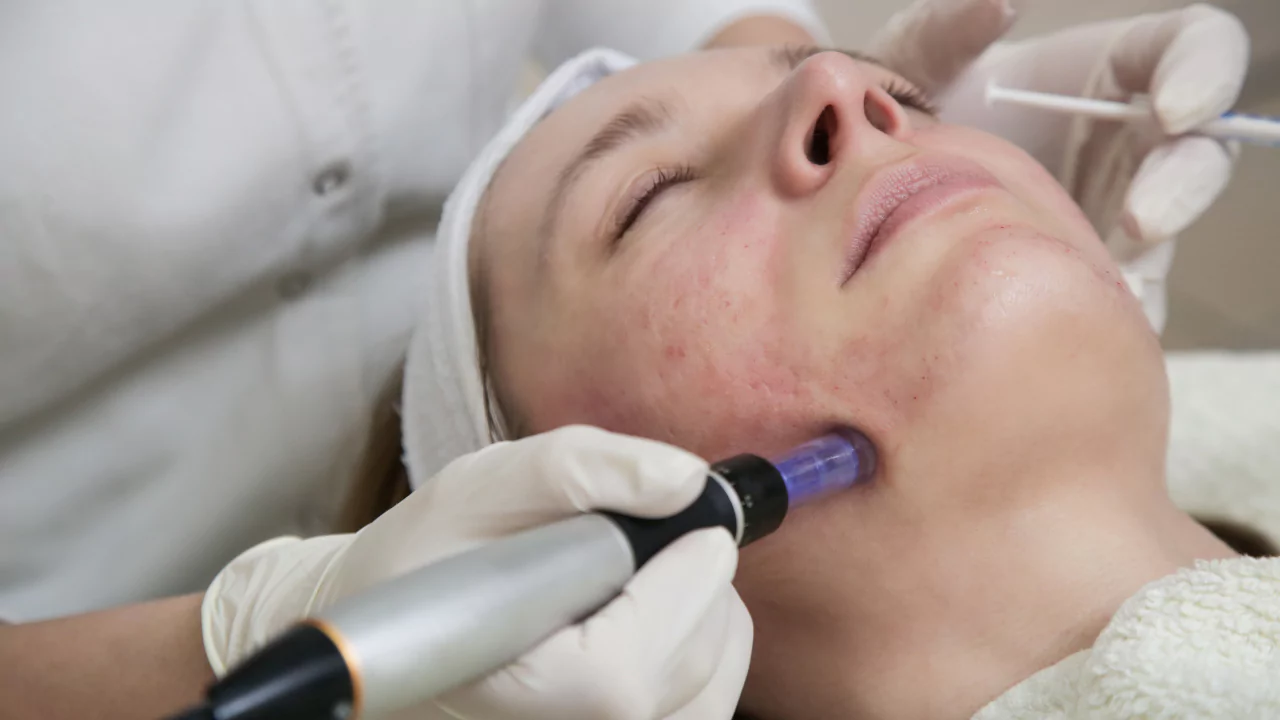
Supercharge collagen synthesis using your body’s own platelet-rich plasma for rapid rejuvenation.
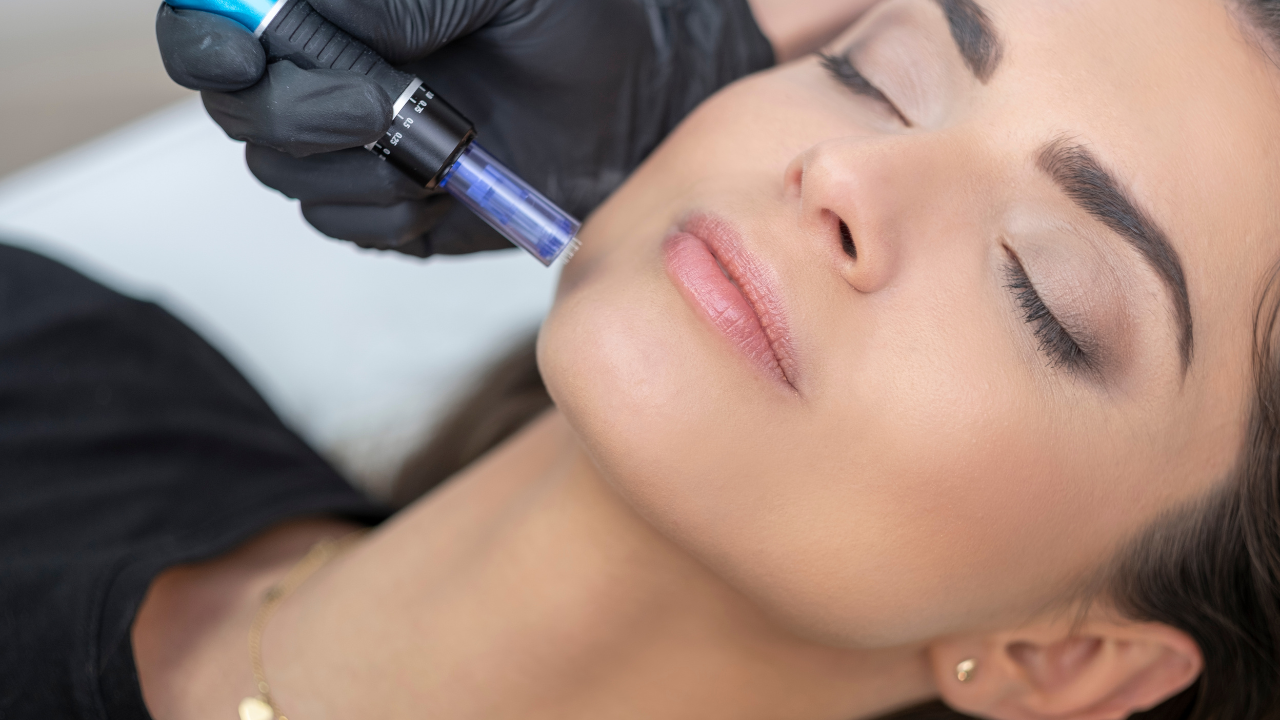
This powerful treatment combines two proven skin-renewing technologies: microneedling and radiofrequency energy

Deeply hydrate and nourish skin with injectable hyaluronic acid for a dewy, healthy glow.
We believe true beauty isn’t just about structure—it’s about skin that glows from within.